
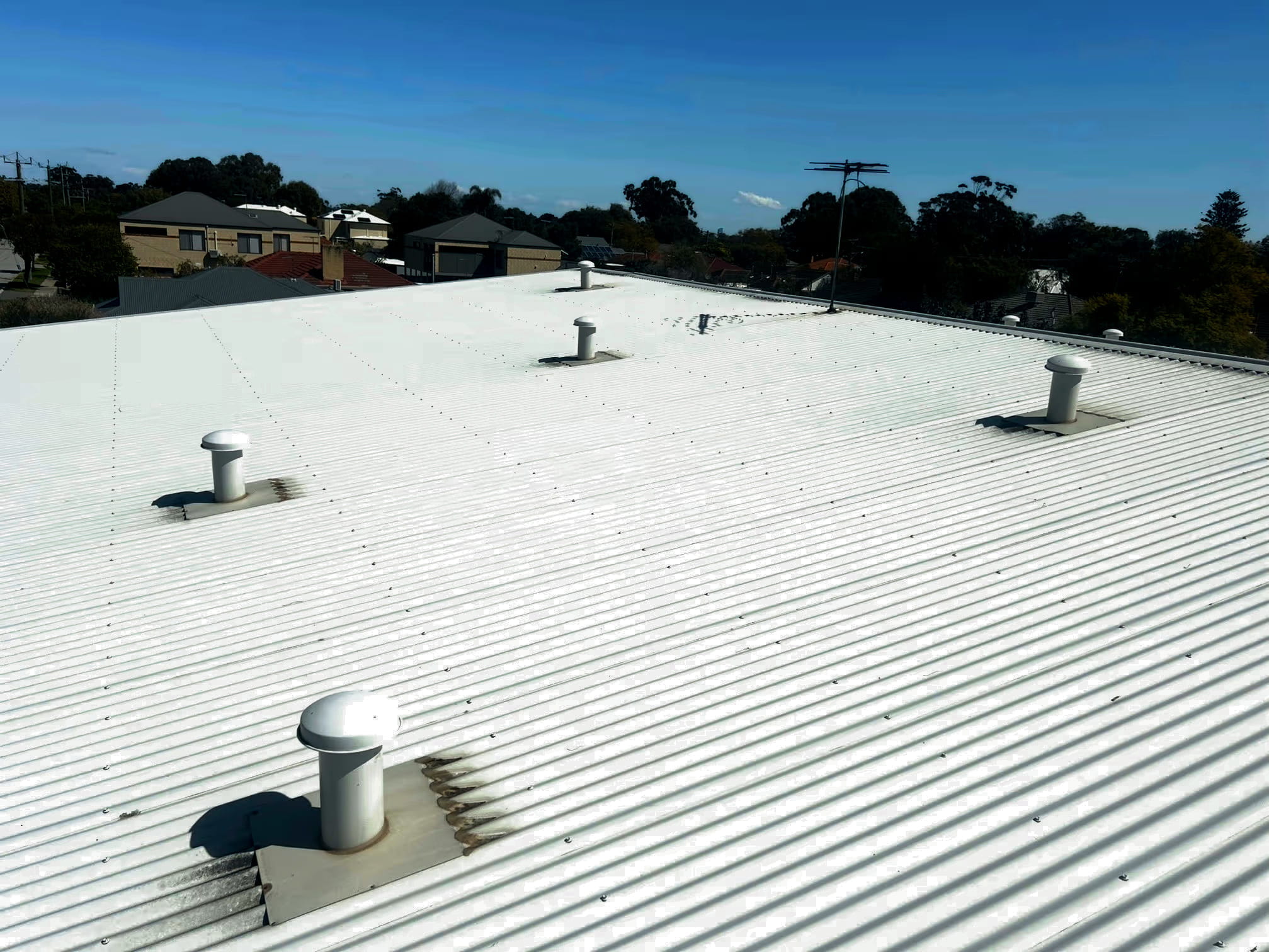
How often should you maintain a commercial roof? (and what’s involved)
Summary: Figuring out how often to do roof maintenance starts with understanding the needs of the building. For most commercial properties in Perth, twice a year is a practical baseline, with inspections timed around seasonal conditions. Regular maintenance can cover roofing materials, flashing and penetrations, gutters and drainage, as well as signs of water ingress. Roof type, age and maintenance history can influence the right schedule, with additional checks recommended after major storms or rooftop works.
Commercial roofs tend to get the most attention when something goes wrong, but by then a small issue may already have become a more disruptive one. For most commercial properties in Perth, roof inspections and maintenance should be scheduled at least twice a year, with additional checks after major storms or rooftop works.
A commercial roof maintenance visit can include a full inspection, gutter and drainage clearing, and checks of flashing, penetrations, roofing materials and sealants. Where required, it may also include leak investigation, minor maintenance work and photographic reporting.
For property managers and facilities managers, staying ahead of these requirements can make roofing work easier to plan around budgets, tenants and other building priorities. Perth’s summer heat, winter rain and seasonal debris all place different demands on roofing and drainage systems throughout the year.
Understanding how often to do roof maintenance, and what to expect from each visit, gives you a practical starting point for keeping it on the schedule rather than waiting for the next problem.
How often should you maintain a commercial roof?
As a general baseline, most commercial properties should plan for at least two roof maintenance visits each year.
In Perth, it makes sense to schedule these around seasonal conditions:
- Autumn, around March or April: Clear gutters, box gutters and drainage ahead of the wetter months, while identifying roofing issues that need attention before winter.
- Spring, around September or October: Assess the roof after winter and address deterioration before the hotter months.
The right commercial roof maintenance schedule will depend on the building. Roof type, age and condition, surrounding vegetation, previous leaks and drainage history can all affect how often servicing is needed. Older roofing systems, heavily treed sites and buildings with recurring drainage problems may require more frequent attention.
Additional checks are also worth arranging after events that could affect the roofing system. Major storms can damage or displace flashing, sheeting and other components, while work involving air-conditioning, solar or exhaust systems can introduce additional foot traffic around roof penetrations.
What does commercial roof maintenance include?
Effective commercial roof maintenance considers the entire roofing system rather than addressing visible problems in isolation.
Depending on the property and roof type, maintenance may include:
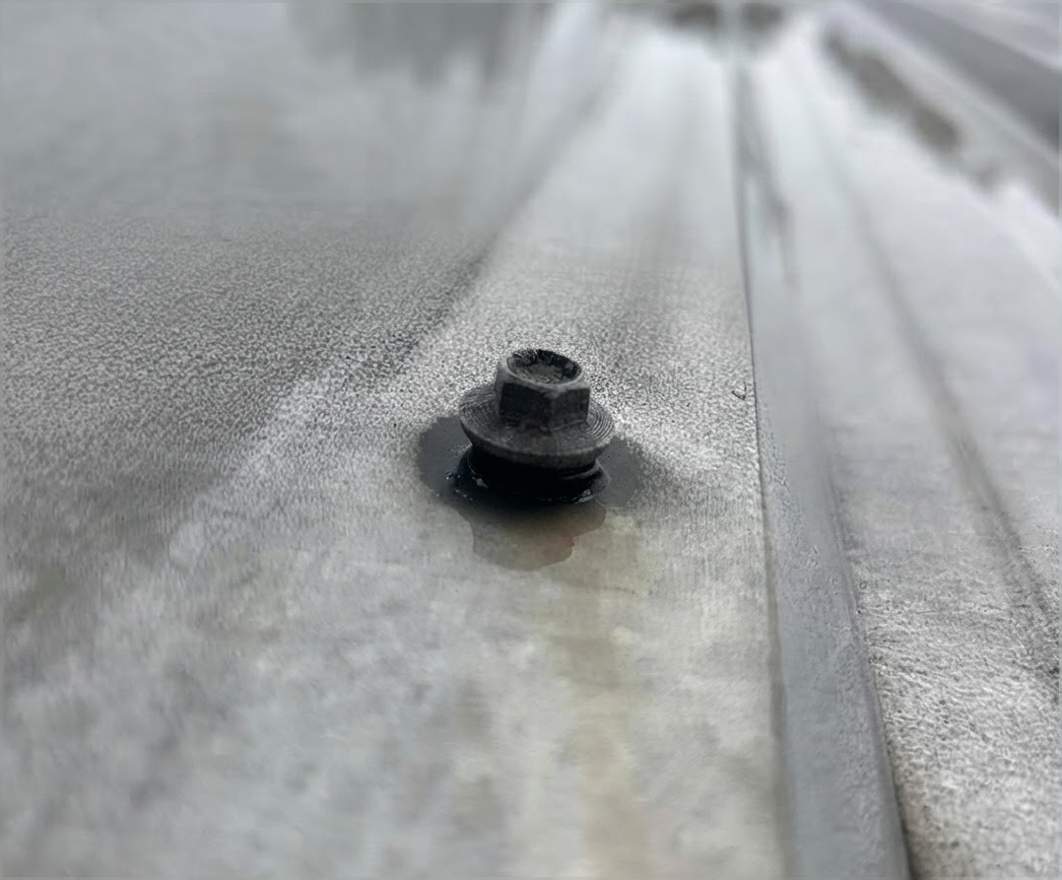
- Roof condition: Inspecting sheeting, membranes or tiles, along with fasteners, ridges, sealants and other components for deterioration, damage or corrosion.
- Gutters and drainage: Clearing gutters, box gutters and downpipes to remove debris and restrictions that could affect water flow. Ahead of Perth’s winter rainfall, commercial gutter cleaning is an important part of preparing the building.
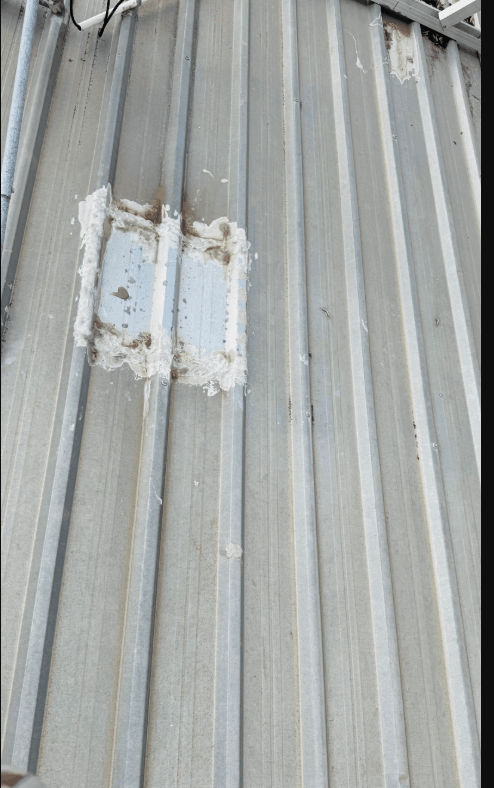
- Flashing and penetrations: Inspecting vents, skylights, exhaust systems, air-conditioning equipment and other penetrations for deterioration that could contribute to water ingress.
- Leak investigation: Carrying out commercial roof leak detection where there are signs of water ingress or the source of a suspected leak requires further investigation.
- Minor maintenance: Addressing smaller issues where appropriate or flagging repairs that require further work.
- Photographic reporting: Documenting work completed, findings and recommended next steps.
Roof drainage does not stop at the downpipe. If connected stormwater infrastructure, including soakwells, is blocked or performing poorly, heavy rainfall can cause water to back up or overflow.
Clear reporting gives property managers visibility over completed work and upcoming priorities. It also provides a useful record for communicating recommendations to owners or strata committees and planning future expenditure.
How Perth’s seasons affect roof maintenance
Perth’s climate creates different pressures on commercial roofs throughout the year. Extended summer heat and UV exposure can contribute to deterioration of exposed roofing materials and sealants, while autumn debris can restrict gutters and drainage ahead of winter.
During periods of sustained rain, blocked box gutters, downpipes or connected stormwater infrastructure can affect how efficiently water is moved away from the building. Keeping these systems clear is particularly important as Perth moves from dry summer conditions into the wetter months.
Why proactive roof maintenance matters
Commercial roofing problems often develop gradually. Sealants deteriorate, gutters collect debris, fasteners loosen and flashing can become damaged or displaced. Regular servicing helps detect these issues before they contribute to water ingress or more significant damage.
Left unresolved, minor faults can lead to damage to internal fit-outs or stock, disruption for tenants and businesses, and unplanned repair costs. Over time, neglected maintenance may also affect the service life of the roofing system and the value of the property.
A proactive approach gives property managers greater control over priorities and expenditure. Work can be planned around budgets and building operations, reducing reliance on emergency callouts when a leak or weather event exposes an existing problem.
Different roof types require different maintenance priorities
Maintenance priorities vary according to the roof’s materials, design and drainage system.
Metal roofs
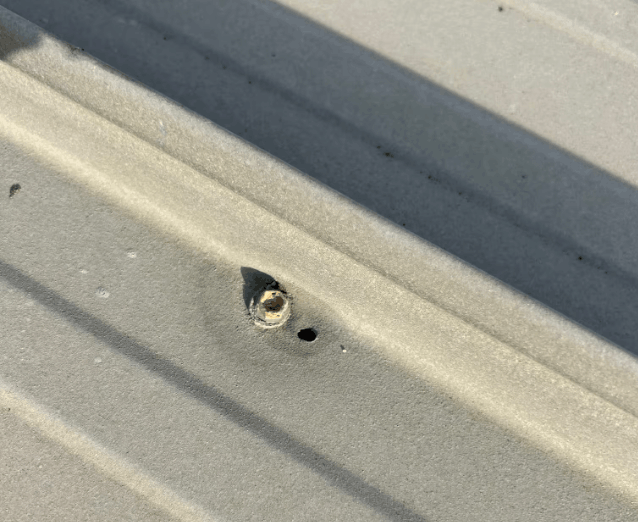
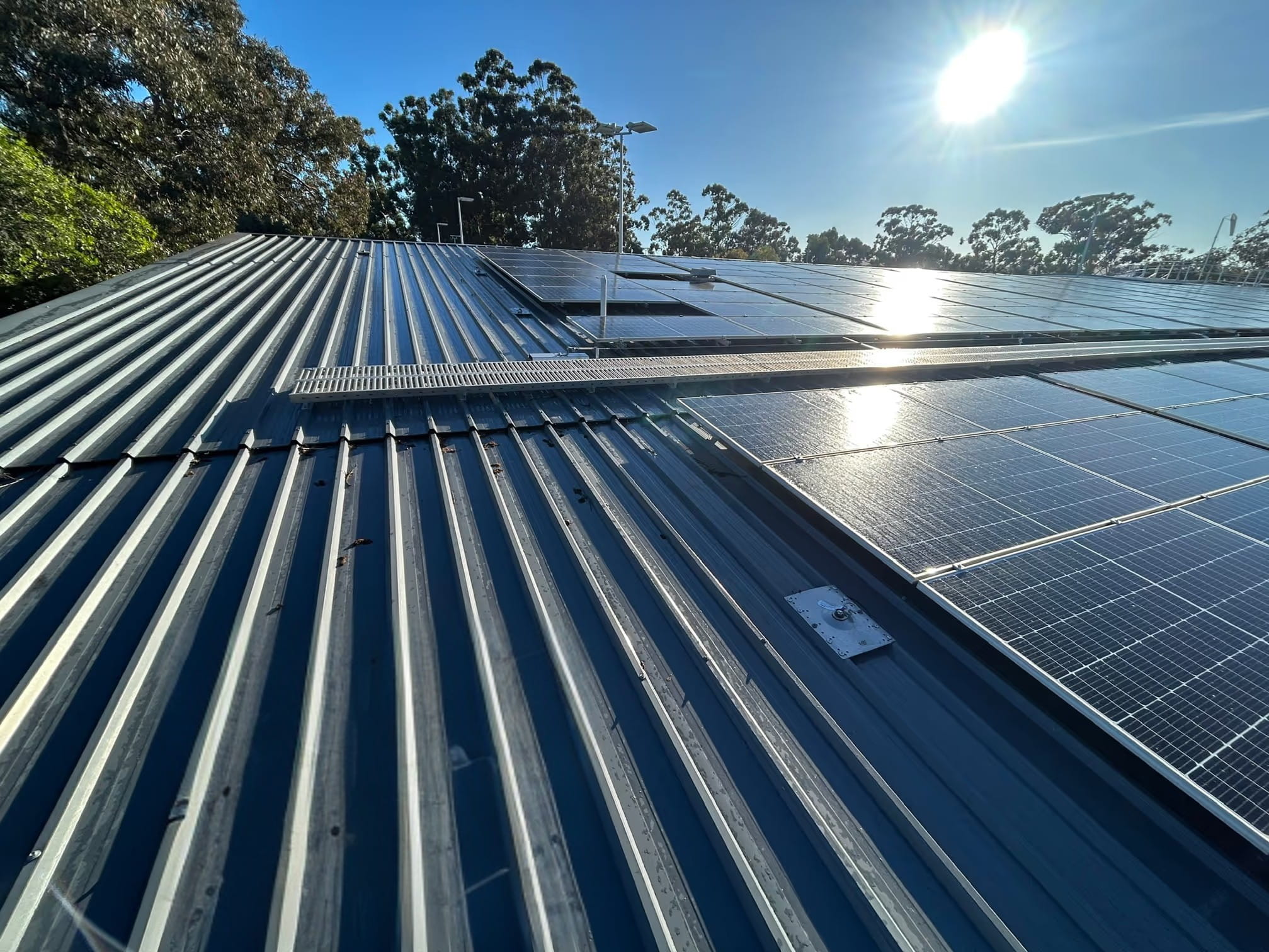
Common across Perth’s commercial, industrial and warehouse properties, metal roofs require checks of sheeting, fasteners, laps, ridges, flashing and penetrations. Signs of corrosion and deteriorating sealants should also be monitored.
Flat and low-pitch roofs
Drainage is a particular priority for flat and low-pitch roofs. Attention should be given to outlets, drainage paths and areas prone to ponding, as well as membranes, waterproofing and penetrations where applicable.
Tiled roofs
Tiled commercial roofs should be checked for cracked, damaged or displaced tiles, along with ridge areas, valleys and flashing. Debris build-up that could restrict water flow should also be addressed.
If more substantial work is uncovered during routine servicing, commercial roofing repairs can be prioritised based on the needs of the building.
Signs your commercial roof may need an inspection
Some warning signs are worth investigating between scheduled visits.
Look out for:
- Water stains, damp patches or discolouration on ceilings and walls
- Ponding water on flat or low-pitch roofs after rain
- Lifted, loose or damaged flashing
- Gutters or box gutters overflowing during rainfall
- Damaged or displaced roofing materials
- Recurring leaks, particularly following heavy rain
Keep in mind that an internal water stain may appear some distance from the point where water is entering the roofing system. Further investigation may be needed to locate the source.
Acting on these signs early can limit water damage and reduce the likelihood of more extensive repairs.
What should a commercial roof maintenance plan look like?
A good maintenance plan should reflect the needs of the individual building. For property facilities managers, three elements are particularly important.
1. The right inspection frequency
Set a schedule that reflects the building’s roof type, condition, exposure and maintenance history, with additional visits arranged when required.
2. Practical documentation
Photographic reports should record what was inspected, work completed, issues found and recommended next steps. Keeping this history makes it easier to monitor changes over time, prioritise repairs and plan future expenditure.
3. A consistent point of contact
Working with a commercial roofing provider that understands the property can simplify communication and coordination. A consistent point of contact also creates clearer ownership of next steps, reducing the pressure of managing roofing work across one or multiple sites.
PBR Plumbing brings more than 40 years of combined plumbing and roofing experience to commercial and strata properties across Perth. Our team provides structured maintenance, clear reporting and proactive communication, helping property managers stay across upcoming work without adding unnecessary pressure to their workload.
Frequently asked questions
1. How long does commercial roof maintenance take?
The time required depends on the size, access and condition of the roof, as well as the work involved. A larger or more complex site may take longer to inspect, particularly where drainage issues, leaks or areas requiring further investigation are found.
2. Can commercial roof maintenance be carried out without disrupting tenants?
In many cases, maintenance can be planned around building operations to minimise disruption. Access requirements and the scope of work should be considered beforehand, particularly on sites with tenants, customers, rooftop equipment or restricted areas.
3. What happens if an inspection finds repairs are needed?
The findings should be documented so the required work can be assessed and prioritised. This gives property managers a clearer basis for deciding what needs prompt attention and what can be scheduled as part of future maintenance.
4. Should roof maintenance records be kept for each property?
Keeping inspection reports, photographs and records of completed work provides a useful history of the roof. For property managers overseeing multiple sites, this can make it easier to track recurring concerns, communicate with owners or strata committees and plan future expenditure.
5. Can commercial roof maintenance be scheduled across multiple properties?
Yes. For property managers responsible for a portfolio, coordinating maintenance across multiple properties can help create a more structured approach to inspections, reporting and follow-up work. The schedule should still reflect the requirements of each individual building.
Take a proactive approach to commercial roof maintenance
If your commercial roof is overdue for an inspection, showing signs of deterioration or only receiving attention when something goes wrong, now is the time to get ahead of it.
A scheduled inspection helps determine what needs attention now and what can be planned for later.
Book a commercial roof maintenance inspection with PBR Plumbing. Our Perth team can assess your roof and recommend a maintenance schedule based on the needs of your building.


FILL IN THE FORM BELOW AND OUR TEAM WILL
GET IN TOUCH.