
A guide for WA property managers
Hot water may seem like a basic amenity, but in a commercial building it is a critical point of compliance, tenant satisfaction and risk management for property, facilities and strata managers.
In Western Australia the obligation is not a simple yes-or-no; it depends on the building classification, intended use and the specific activities within each tenancy.
This guide clarifies the regulations and practical considerations so you can maintain continuity, mitigate liability and avoid disputes, health code breaches or closures.
What the law says in WA: the short answer
Yes — hot (or warm) water is required in most commercial settings, with specifics varying by use.
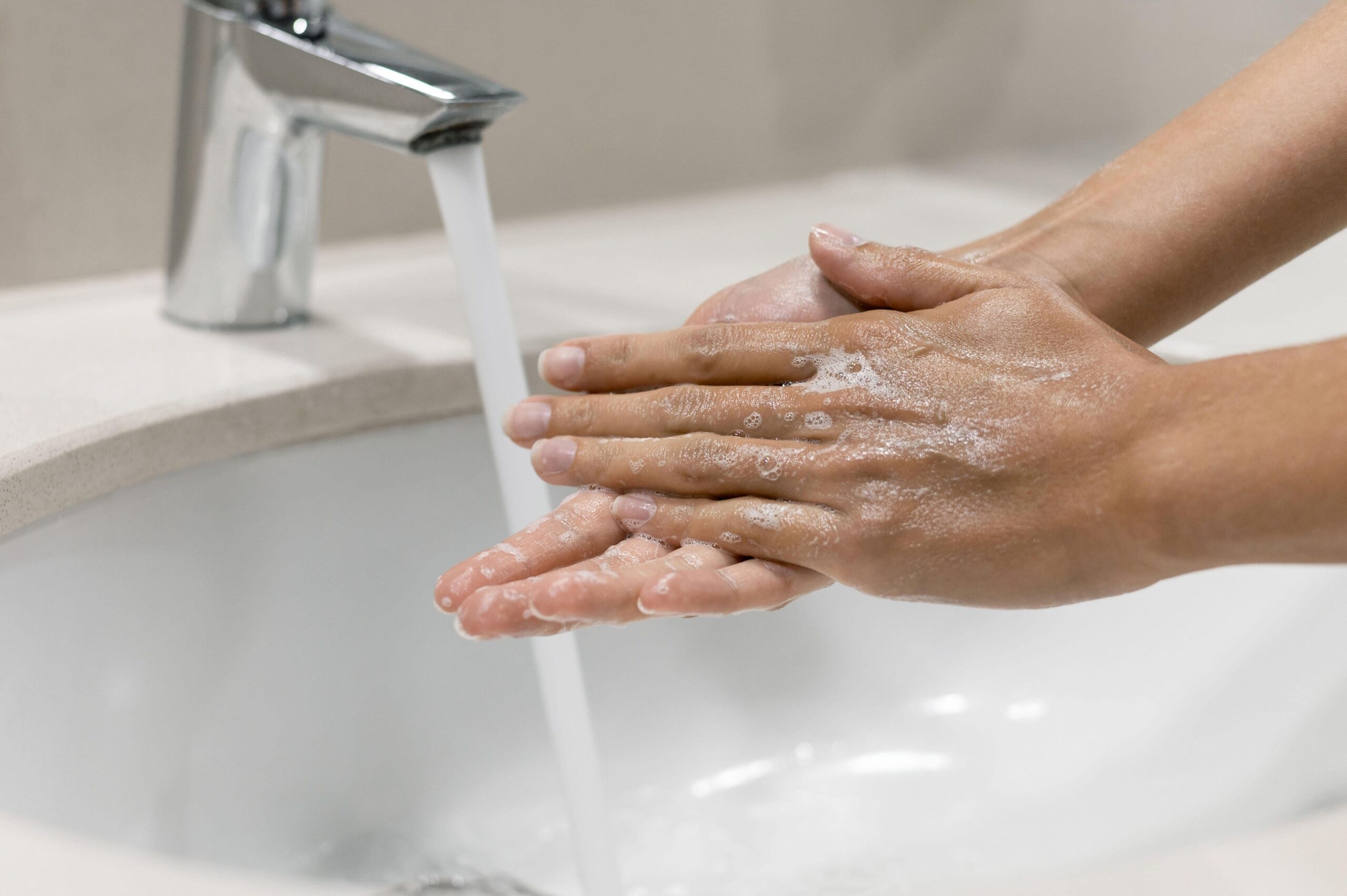
At a minimum, WA workplace rules expect washing facilities with hot and cold water or temperature mixers, and food premises must provide warm running potable water at handwash basins.
Plumbing rules also require temperature control at fixtures used primarily for personal hygiene to minimise scald risk. Key references include:
- Workplace amenities (all industries): WA’s approved Code of Practice states handwashing facilities should ‘contain both hot and cold water taps or temperature mixers.’
- Food businesses (hospitality, retail food): Standard 3.2.3 of the Australia New Zealand Food Standards Code requires handwashing facilities to be connected to a supply of warm running potable water (between 20-40℃) from a single outlet.
- Heated water delivery temperatures (scald control): WA’s Building and Energy Industry Bulletin 149 explains when maximum delivery temperature control applies at showers, baths and basins (fixtures used primarily for personal hygiene), and how the rule expanded from 1 May 2024 to cover ‘all heated water installations’ when heaters are replaced, relocated or added.
- General duty and penalties: The WHS (General) Regulations 2022 require PCBUs (Person Conducting a Business or Undertaking) to provide adequate facilities, including washing facilities. (Penalties apply for non-compliance.)
Beyond compliance: The operational importance of hot water
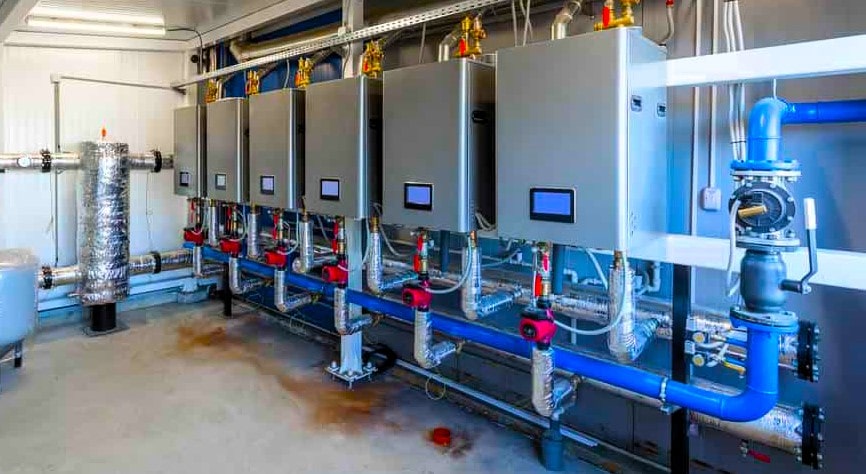
Meeting legal minimums is only one part of the equation. For commercial property managers, ensuring a reliable hot water supply is a matter of proactive asset management.
- Tenant expectations and retention: Tenants expect functional, well-maintained facilities. A lack of reliable hot water is a frequent source of complaints that can damage tenant relationships and impact lease renewals.
- Business continuity for tenants: For businesses in the hospitality, wellness, or fitness sectors, a functioning hot water system is critical infrastructure. An unexpected breakdown directly translates to lost revenue and reputational damage for your tenant, creating significant stress and potential liability issues.
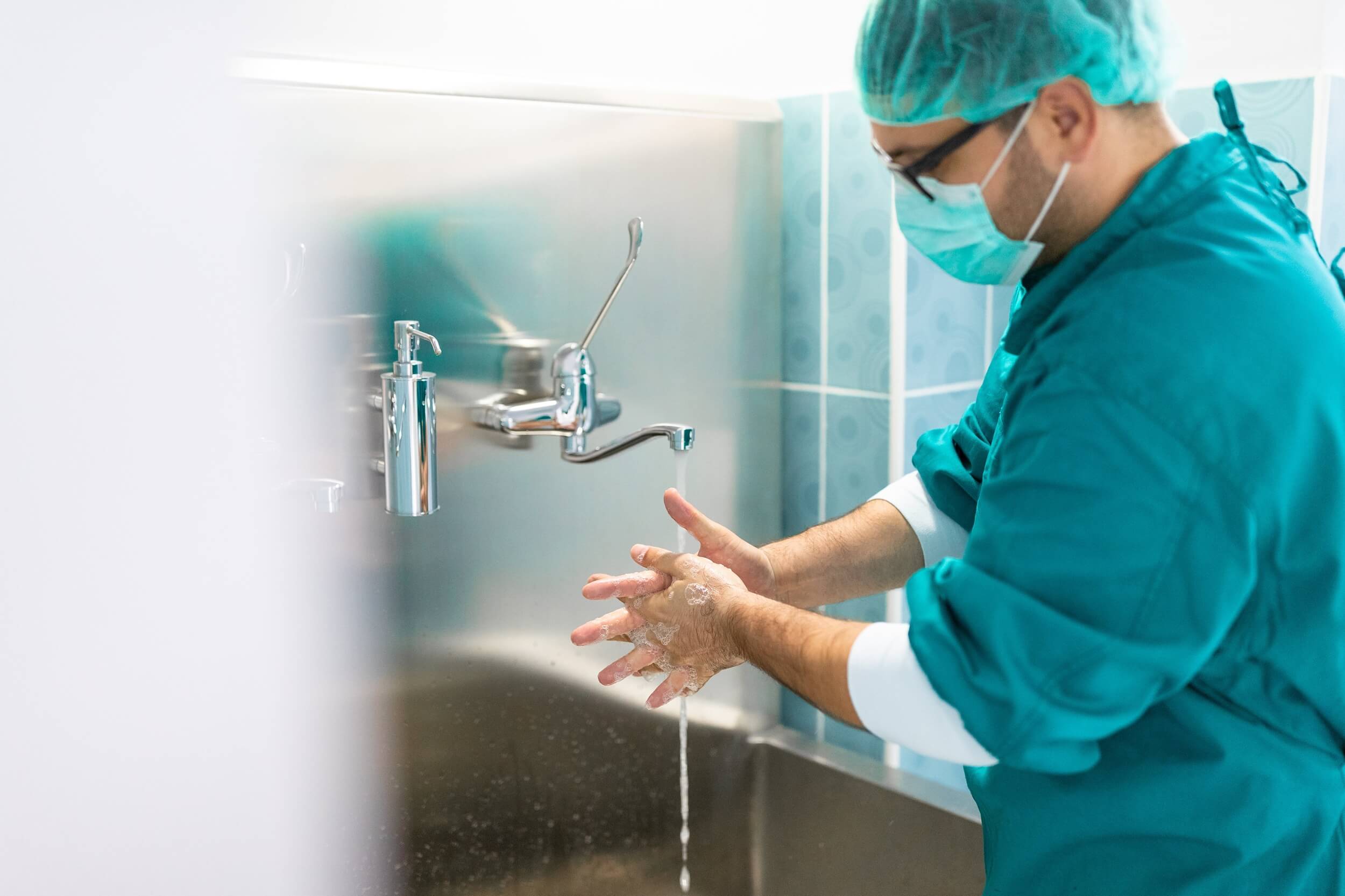
- Public health and hygiene: The importance of effective handwashing has never been more important. Hot water is a key component in maintaining a hygienic environment for staff, clients, and the general public, reducing the spread of germs and protecting community health.
Where hot water is required: by sector or building use
In Western Australia, hot (or warm) water obligations vary by sector and building class — with each type of premises having their own specific requirements for handwashing, showers and cleaning.
Office buildings and mixed commercial (non-food)
- Bathrooms and handwash areas: Provide handwashing facilities with hot and cold or mixed water. This supports effective hygiene and aligns with WA’s Code of Practice.
- Kitchens and tea points: While not always prescriptively regulated on temperature, hot water is practically required for effective cleaning and amenity. Where dishwashers are installed, follow the appliance’s sanitising temperature specifications.
Hospitality and food retail
- Mandatory warm water at hand basins: Handwash facilities must have warm running potable water from a single outlet, be accessible to food handlers, and be separate from food prep sinks.
- Cleaning and sanitising: The Food Standards allow heat or chemical sanitising; many commercial dishwashers specify elevated rinse temperatures — always follow the manufacturer’s instructions. (Safe Food Australia notes warm water is expected for effective handwashing and cleaning performance.)
Industrial and end-of-trip facilities
- Showers (where provided or risk-based): If showers are provided (e.g., dirty work or cycling facilities), supply tempered hot water and control delivery temperature to manage scald risk, in line with the NCC/Plumbing Code of Australia (PCA) and AS/NZS 3500.4. WA’s Industry Bulletin 149 outlines when and how temperature-control devices must be used.
Gyms and recreation centres
- Showers and basins: Provide temperature-controlled water at personal hygiene fixtures to minimise scald risk, in line with the NCC/Plumbing Code of Australia and AS/NZS 3500.4. In WA, when water heaters are replaced, relocated or added, delivery temperature control must be applied; for many public-use buildings (Class 9), this includes basins as well as showers.
- Aquatic features (pools, spas, hydrotherapy): If your facility includes a spa, pool or hydrotherapy pool, it must comply with WA’s Code of Practice for aquatic facilities — covering water quality, disinfection, operations manuals and temperature management appropriate to the water body.
- On-site food and beverage: If a café, juice bar or kiosk operates on site, handwash stations must provide warm running potable water from a single outlet and be separate from food-prep sinks, as required by the Food Standards Code 3.2.3.
Healthcare and aged care
- Warm-water systems and risk management: Hospitals, day surgeries and aged care facilities commonly use warm-water systems. WA Health requires a documented water management plan for all healthcare facilities to control Legionella risk — identifying hazardous locations/devices and setting monitoring, maintenance and corrective actions. Include TMVs/tempering valves, recirculation loops and temperature checks in scope.
- Scald protection at personal-hygiene fixtures: Delivery temperature control is mandatory at fixtures used primarily for personal hygiene (showers, baths, basins). In WA, when heaters are replaced or relocated in Class 9 health-care buildings, basins are expressly in scope for temperature control; existing controls must be maintained
- Hydrotherapy pools and therapy spas: Facilities with hydrotherapy pools must also meet the WA aquatic facilities code for design, operation, disinfection and temperature monitoring — reflecting higher microbial risk at elevated water temperatures.
Maintenance, sizing and system design considerations
For multi-storey strata and commercial facilities, robust hot water performance and compliance are achieved through:
- Right-sized plant with redundancy for peak periods and tenant growth.
- Recirculation loops and balancing to maintain target temperatures at distant outlets.
- Regular valve testing (tempering/TMV), with records for audits and risk management.
- Asset-wide documentation: outlet temperature checks, flushing regimes (where required), and corrective actions logged.
- Upgrades that reduce lifecycle cost: high-efficiency storage, heat-pump or condensing plant, smart controls; ensure compatibility with PCA and WA modifications at change-out.
Common compliance risks we see on commercial sites
Across Perth commercial and strata buildings, we repeatedly see the same hot water compliance errors, including missing warm-water hand basins, uncontrolled delivery temperatures after heater change-outs, undersized plant, overdue TMV testing and weak record-keeping, that derail audits, elevate WHS exposure and frustrate tenants.
These include the following scenarios:
- Handwash basins without warm running water in food areas (non-compliant under Standard 3.2.3).
- Uncontrolled delivery temperatures at showers/basins after heater replacement—overlooking WA’s requirement to implement temperature control in these scenarios.
- Undersized or poorly zoned hot water systems causing temperature drops at peak loads, undermining hygiene and audit outcomes.
- Tempering valves not tested or recorded, creating scald risk and audit gaps.
- Inadequate documentation of maintenance and temperature checks, increasing exposure under WHS and health inspections.

The consequences of non-compliance and system failure
Ignoring the legal and practical requirements for hot water can expose you and your clients to significant risks. These include:
- Improvement notices and fines from local council health inspectors or WorkSafe WA.
- Forced closure of tenant businesses, particularly in the food and beverage industry.
- Liability in the event of a scalding injury or a Legionella outbreak.
- Increased capital expenditure such as rising energy bills due to premature system failure from a lack of maintenance.
These risks can be almost entirely mitigated through a professional, proactive approach to plumbing management.
The value of proactive hot water maintenance schedules
Reactive repairs are always more costly and disruptive than planned maintenance. A proactive maintenance plan for your commercial hot water system should include:
- Annual servicing of the plant and heating elements.
- Regular checks and mandatory testing of TMVs and tempering valves.
- Inspection of sacrificial anodes in storage tanks to prevent corrosion.
- System flushes to remove sediment and maintain efficiency.
A scheduled maintenance program identifies potential faults before they become emergencies, minimising disruption and extending the life of your asset.
A strategic approach to commercial hot water management
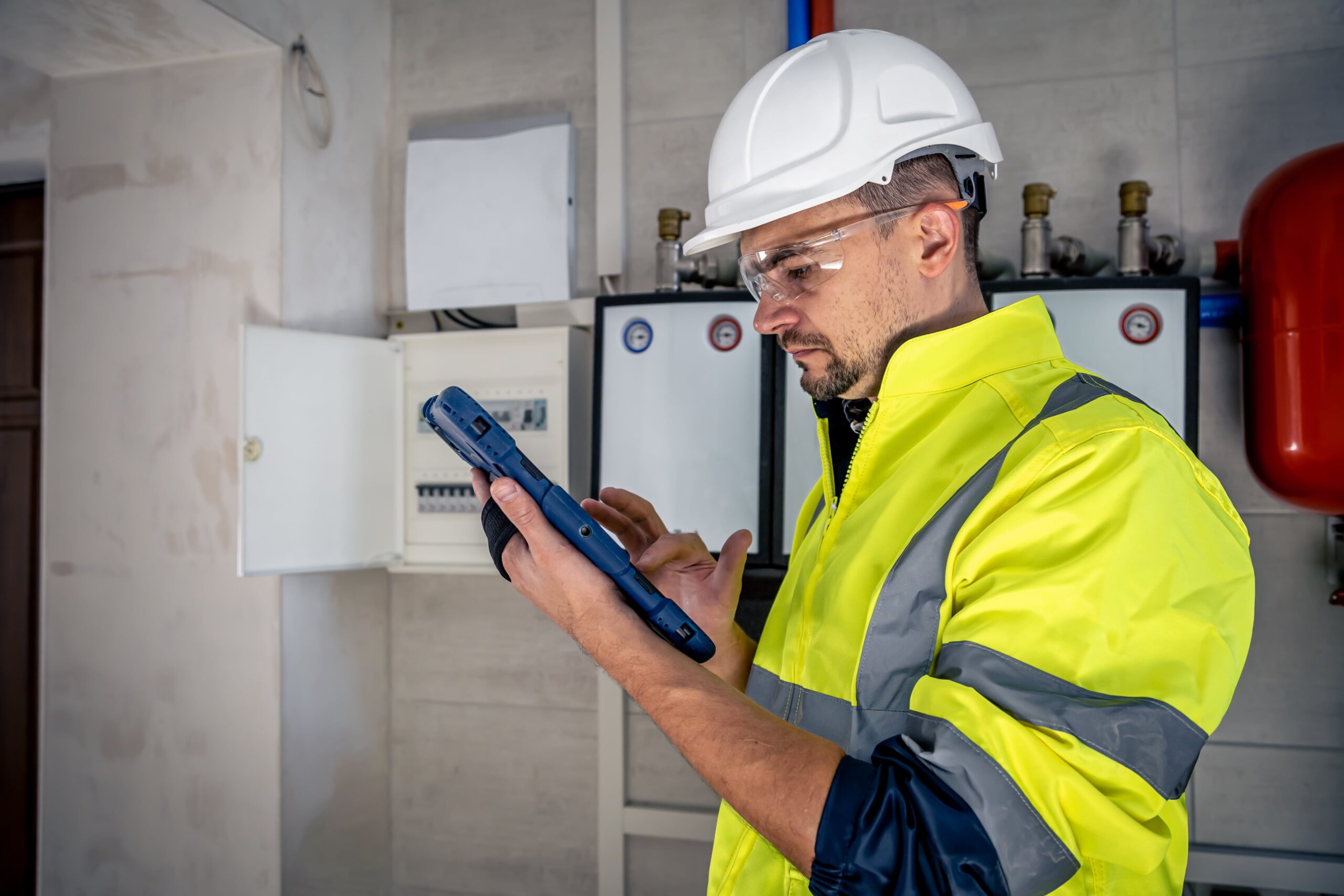
Effectively managing your property’s hot water systems requires more than just a reactive plumber. It demands a strategic partner who understands commercial compliance, operational risk, and the importance of clear communication.
We focus exclusively on the commercial and strata sector, providing end-to-end plumbing and roofing maintenance across Perth, including commercial hot water, backflow testing and prevention, leak detection, CCTV inspections and strata plumbing maintenance. This integrated capability lets us identify risk early, coordinate works across multi-site portfolios and keep disruptions low.
A functional hot water system is a fundamental component of a safe, compliant, and well-managed commercial building. By taking a proactive stance on maintenance and compliance, you protect your asset, support your tenants, and minimise your risk.
To ensure your commercial property’s hot water systems are compliant and operating efficiently, contact the PBR Plumbing team today to schedule a comprehensive site assessment.
Note: This article is general guidance. Always check your site-specific obligations against the current WHS (General) Regulations 2022, the NCC/PCA, AS/NZS 3500.4, and applicable food safety requirements, or contact us for a compliance review.


FILL IN THE FORM BELOW AND OUR TEAM WILL
GET IN TOUCH.