
For Perth’s commercial property managers and facilities teams, blocked drains are one of the most common and disruptive maintenance issues. The problem tends to worsen over summer, when soaring temperatures and dry conditions push tree roots deeper underground in search of moisture.
Unfortunately, that search often leads them straight into underground plumbing systems. Tiny cracks in pipes and joints provide the perfect entry point for roots to invade, grow, and create blockages that restrict water flow. Over time, this can cause flooding, slow drainage, or even structural damage to stormwater and sewer lines.
In commercial and strata settings, the consequences go beyond inconvenience. Blocked drains can lead to tenant complaints, business downtime, and health or safety risks, particularly when the issue affects shared amenities or high-traffic areas.
The good news is that most summer drain issues can be prevented through strategic maintenance planning and early intervention.
The link between Perth’s summer climate and root intrusion
Western Australia’s Mediterranean climate brings hot, dry summers that put extra pressure on underground plumbing systems. When natural moisture levels drop, tree roots actively seek water sources, targeting the residual moisture found in pipes and soakwells.
This process, known as hydrotropism, is one of the key causes of drain blockages in summer. Common culprits include large shade trees like fig, eucalyptus, and paperbark—species often found around Perth’s commercial properties and car parks.
Left unchecked, root systems can:
- Infiltrate joints and cracks in old or damaged pipes
- Create dense blockages that prevent water from flowing
- Cause pipe collapse or cracks, leading to leaks and ground subsidence
- Trap sediment and debris, worsening existing drainage issues
If left unchecked, root intrusion can cause disrupted operations, potential compliance breaches, and costly emergency repairs, often at the height of summer activity.

Common signs of tree root blockages
Early detection is key to identifying the first signs of blockages and minimising disruption. Facilities managers and maintenance supervisors should watch for the following warning signs across their sites:
- Slow-draining water in multiple areas of the property
- Unusual gurgling sounds from drains or toilets
- Overflowing soakwells, gutters, or downpipes after heavy rain
- Persistent foul odours, especially near floor drains or sewer lines
- Pooling water around landscaped or paved areas
If these symptoms appear across several drains or buildings, it’s likely that root intrusion is occurring deeper in the plumbing network.
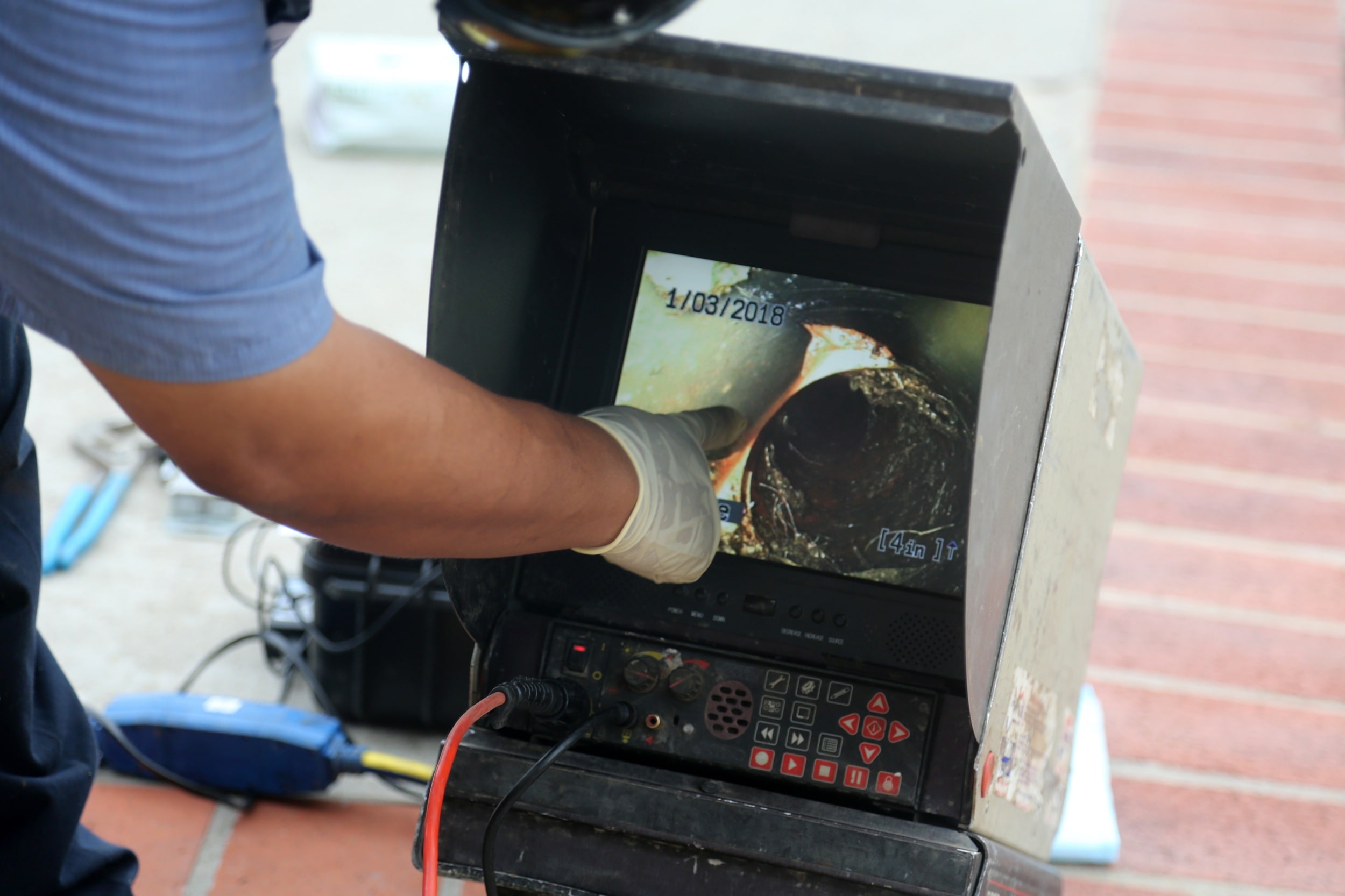
At this stage, professional inspection is essential. A CCTV drain camera can accurately locate the blockage and assess the pipe’s condition, without the need for excavation.
How to prevent blocked drains this summer: A proactive approach
The most effective way to prevent drain blockages is through planned, preventative maintenance.
Here’s how commercial and strata property managers can prepare their plumbing systems before summer conditions take hold.
1. Schedule pre-summer drainage inspections
Before temperatures rise, organise a comprehensive inspection of your property’s stormwater and sewer systems.
Professional plumbers can identify:
- Tree root intrusion points
- Cracked or misaligned pipes
- Early signs of blockages or slow flow
Using CCTV technology, PBR Plumbing’s maintenance team provides detailed reports and video footage so you can make informed decisions and budget for repairs proactively.
2. Clear soakwells and stormwater systems
Soakwells and stormwater drains play a critical role during summer storms. Over time, they collect sediment, leaves, and debris, particularly from nearby landscaping or tree-lined areas.
When combined with root intrusion, these materials can completely block water flow, leading to flooding around building perimeters or car parks.
Regular soakwell cleaning and maintenance before summer ensures these systems are free-flowing.
Learn more about our approach to soakwell maintenance in our previous blog here.
3. Implement root management and drainage protection strategies
While tree root intrusion is one of the most common causes of blocked drains in Perth’s dry summer months, it’s not the only factor that can compromise a commercial plumbing system.
Many properties experience blockages caused by a combination of environmental debris, sediment build-up, and human activity, all of which can be managed through proactive maintenance.
Managing tree root intrusion
For properties with large, established trees, root control remains essential. Over time, even small cracks or joints in underground pipes can attract roots seeking moisture, particularly during hot, dry weather.
A professional plumbing team can:
- Remove existing roots using mechanical cutting or high-pressure hydro-jetting
- Apply root inhibitors to discourage regrowth without harming the surrounding vegetation
- Recommend landscaping adjustments such as repositioning high-risk trees or installing root barriers to protect critical drainage lines
These measures help reduce the likelihood of recurring blockages while maintaining healthy landscaping around your property.
Addressing other common causes of drain blockages
Beyond tree roots, several other issues frequently affect Perth’s commercial drainage systems.
Understanding the causes and implementing targeted preventative measures can significantly reduce the risk of future blockages:
- Sediment and debris build-up
- Dust, sand, and leaves often enter open drains or soakwells, particularly around car parks and landscaped zones. Over time, this debris hardens and reduces water flow capacity.
- Dust, sand, and leaves often enter open drains or soakwells, particularly around car parks and landscaped zones. Over time, this debris hardens and reduces water flow capacity.
- What can be done:
- Schedule regular drain and soakwell maintenance, especially after autumn leaf fall and storms
- Install protective grates or mesh screens over exposed drains to reduce debris entry
- Place signage in car park areas reminding contractors and grounds staff to keep drains clear
- Grease and oil accumulation
- In commercial kitchens or hospitality facilities, grease, oil, and food scraps can solidify inside pipes, creating stubborn internal blockages.
- In commercial kitchens or hospitality facilities, grease, oil, and food scraps can solidify inside pipes, creating stubborn internal blockages.
- What can be done:
- Install grease traps and ensure they are cleaned routinely
- Educate staff on proper waste disposal protocols—e.g. scraping plates before rinsing
- Display instructional signage above sinks and dishwashing stations
- Foreign materials
- Litter, construction waste, and inappropriate items flushed down toilets, such as wipes, sanitary products, or packaging, can obstruct sewer and stormwater systems.
- Litter, construction waste, and inappropriate items flushed down toilets, such as wipes, sanitary products, or packaging, can obstruct sewer and stormwater systems.
- What can be done:
- Install clear signage in shared toilets to guide appropriate disposal
- Ensure sanitary bins are present and serviced regularly
- Conduct tenant education programs or circulate digital reminders during onboarding or peak usage periods
- Structural issues
- Ageing infrastructure, poor installation, or ground movement can cause cracks, collapses, or pipe misalignment, trapping debris and slowing flow.
- What can be done:
- Schedule routine CCTV inspections of older or high-risk drainage systems
- Consider pipe relining or replacement for ageing clay or brittle piping
- Include drainage audits as part of your building’s preventative maintenance plan
By taking a proactive approach, educating tenants, installing preventative infrastructure, and partnering with a commercial plumbing provider for scheduled inspections, property managers can significantly reduce the frequency and severity of drainage issues across their sites.
4. Invest in pipe repairs where needed
If inspections reveal significant cracking or ongoing intrusion, pipe repairs offer a long-term solution without the need for excavation
This process involves inserting a resin-coated liner into the existing pipe, which hardens to form a new, seamless internal layer.
The benefits include:
- A watertight, root-resistant surface
- Minimal disruption to tenants or operations
- Extended pipe life and lower maintenance costs
Pipe repairs are particularly valuable for older commercial properties with clay or concrete pipes, which are more prone to cracking and root intrusion.
5. Establish a preventative maintenance schedule
Blocked drains often occur not because of a single event, but due to a lack of ongoing maintenance over time.
Creating a routine inspection and cleaning schedule helps property managers stay ahead of potential issues.
A well-structured commercial plumbing maintenance plan should include:
- Biannual CCTV camera pipe inspections (pre-winter and pre-summer)
- Routine soakwell and gutter cleaning
- Regular pump and drainage checks
- Reporting and documentation for compliance and budgeting
PBR Plumbing provides customised maintenance plans tailored to each property’s size, tenancy, and operational needs, which support your systems in remaining compliant, efficient, and low-stress year-round.
The cost of reactive vs proactive drain maintenance
Being reactive to a blocked drain, and only calling a plumber when a blockage is causing immediate disruption, can be significantly more expensive than a planned approach.
Reactive maintenance might work in a residential context, but if you manage a large commercial property with huge plumbing infrastructure, it is simply too risky to leave plumbing issues to chance.
Emergency callouts, tenant complaints, and temporary closures all add to the total cost of disruption, which can be quite expensive on a commercial scale.
Proactive plumbing maintenance, on the other hand, offers clear benefits:
- Reduced repair costs: Issues are addressed before they escalate.
- Improved tenant satisfaction: Prevents visible disruptions and downtime.
- Operational consistency: Keeps essential services running smoothly.
- Regulatory compliance: Meets WA health and safety requirements.
- Predictable budgeting: Maintenance costs can be forecast accurately.
For commercial and strata properties, proactive maintenance isn’t just smart, it’s a business decision that protects your reputation and reduces stress for everyone involved.
Why partner with a commercial maintenance expert rather than a regular domestic plumber?
Blocked drains are rarely just a plumbing issue, they’re a property management risk.
Partnering with a commercial specialist ensures your systems are managed strategically, with minimal disruption to operations or tenants. Commercial plumbing systems are far larger and more complex than residential plumbing systems, so if you’re managing a commercial property, you need a specialist who understands the full scope of your system and the risks and maintenance needs it carries.
At PBR Plumbing, we specialise exclusively in commercial and strata maintenance across Perth. Our services include:
- CCTV drain inspections and root intrusion removal
- Soakwell and stormwater maintenance
- Seasonal maintenance planning and reporting
- Professional roof gutter cleaning
With over 40 years of combined experience, our team understands the unique pressures of managing large commercial assets, including your compliance and communication needs. We focus on proactive solutions and accurate reporting that prevent problems before they affect your tenants.
Take the next step in protecting your property before the hot season
Summer in Perth brings heat, dry conditions, and tree root activity that can wreak havoc on commercial drainage systems.
By taking a proactive approach to maintenance, you can prevent blockages, reduce emergency callouts, and keep your tenants happy.
If you haven’t scheduled your summer drainage inspection yet, now is the time.
Book a CCTV drain inspection with PBR Plumbing and get your property prepared before the summer season is in full swing.


FILL IN THE FORM BELOW AND OUR TEAM WILL
GET IN TOUCH.