

Preventive Maintenance Plumbing: Everything You Need to Know
In commercial property management, unplanned plumbing failures aren’t just inconvenient; they’re disruptive, costly, and often avoidable.
Whether it’s a burst pipe, blocked drain, or roofing leak, these issues rarely occur without warning signs. Yet many facilities only address plumbing problems once they become emergencies.
This guide explores the power of a preventive maintenance approach, why it matters, how it differs from reactive plumbing, and the systems that benefit most.
For property managers, strata committees, and commercial landlords, understanding and implementing preventive plumbing strategies is essential to safeguarding assets, ensuring tenant satisfaction, and maintaining long-term operational continuity.
If you’re ready to reduce risk, control costs, and plan smarter, this guide will show you how.
What is preventive maintenance plumbing?
Preventive maintenance plumbing refers to the proactive servicing and inspection of a building’s plumbing and roofing systems before faults or failures occur. Rather than waiting for leaks, blockages, or system breakdowns to trigger urgent repair works, regular preventive maintenance aims to identify and resolve issues early, minimising risk, disruption, and long-term costs.
In commercial buildings, where plumbing systems operate under high load and compliance standards, this approach is not just practical — it’s essential.
Preventive vs reactive plumbing
The difference between preventive and reactive plumbing lies in both the timing of intervention and the intent behind the work.
Preventive plumbing is carried out proactively, on a scheduled basis, to identify potential faults before they escalate into major issues. It focuses on system longevity, compliance, and uninterrupted performance.
In contrast, reactive plumbing is triggered by failure of some sort: water leaks, a blockage, or a complete system breakdown that demands urgent repair.
While reactive responses are sometimes unavoidable, relying solely on them often results in higher costs, greater operational disruption, and increased risk to tenants and assets.
| Preventive Plumbing | Reactive Plumbing |
| Scheduled inspections and servicing | Unplanned repairs following failure |
| Aims to detect and fix early-stage issues | Responds to leaks, blockages, or system faults |
| Planned to minimise disruption | Often causes operational downtime |
| Lower lifetime costs | Higher emergency call-out and damage costs |
| Supports long-term compliance and asset health | Increases risk of non-compliance and liability |
While reactive repairs will always be part of your role as a property manager, over-reliance on this model often results in increased expenses, tenant dissatisfaction, and preventable system failure.
Why preventive maintenance matters in commercial buildings
Commercial properties, such as multi-storey offices, strata complexes, retail precincts, warehouses, and industrial facilities, have high-usage plumbing systems operating across multiple zones, levels, and tenant types.
These systems are subject to:
- Constant demand across multiple outlets
- Pressure regulation challenges
- Trade waste and grease accumulation
- Stormwater management during peak rainfall
- Stricter legal and safety compliance standards
Preventive maintenance ensures these systems are routinely monitored and serviced to reduce the likelihood of disruption.
It also gives property managers more control over timing and cost allocation, vital for managing budgets and tenant expectations.

Common plumbing systems that require preventive maintenance
1. Hot water systems (gas, electric, solar)
Commercial-grade hot water systems are under constant pressure to meet high demand across multiple tenants or service areas. Preventive servicing includes inspection of pressure relief valves, thermostats, temperature settings, sediment build-up, and pipe insulation.
If ignored?
Emergency scenarios can include complete hot water failure, which is disruptive in gyms, schools, or hospitality settings, and overheating risks from failed thermostats, which can result in scalding hazards or system shutdown. Sediment build-up may also cause long-term damage to heating elements, leading to expensive replacements.
2. Sewer and drainage lines
Routine CCTV inspections detect root intrusion, pipe cracks, and grease build-up before they cause obstructions. In buildings with basements or below-ground amenities, sewer ejection pumps are critical and must be tested regularly.
If ignored?
Neglected systems may result in sewage overflows, blocked toilets, and foul odours within public areas. In severe cases, back-ups can cause flooding in tenancies or common areas, leading to health hazards, tenant disruption, and insurance claims.
3. Trade waste and grease traps
Essential in commercial kitchens and industrial facilities, these systems must be cleaned and serviced to prevent build-up. Overflows or untreated waste can breach EPA standards.
If ignored?
Emergency situations may include kitchen shutdowns due to blocked waste lines, foul odours in dining areas, or environmental non-compliance resulting in fines and operational disruption. Overflowing grease traps can also contaminate potable water systems if not isolated correctly.
4. Backflow prevention devices
These devices stop contaminated water from flowing into clean supply lines and must be tested annually for compliance.
If ignored?
Failure to test and maintain backflow devices can result in contamination of drinking water supplies, posing a serious health risk and potential legal liability. Non-compliant systems can also void insurance coverage and attract penalties from water authorities.
5. Pumps and pressure systems
These systems regulate water flow throughout multi-storey buildings and pump waste or stormwater from lower levels. Routine testing ensures continued function.
If ignored?
Pump failure can result in loss of water pressure throughout a building, affecting restrooms, kitchens, or fire systems. In stormwater systems, a failed pump can cause basement or car park flooding during heavy rain events, leading to asset damage and safety risks.
6. Roof and stormwater drainage systems
Flat roofs, box gutters, downpipes, and soakwells must be regularly cleaned and inspected, particularly ahead of Perth’s winter rainfall.
If ignored?
Blocked or poorly maintained systems can cause water ingress, internal leaks, ceiling collapses, or flooding around entryways and basements.
Overflowing gutters also create slip hazards and structural deterioration of facades. Emergency callouts for roof leaks during storms are common and often preventable with seasonal checks.
Each of these systems plays a vital role in maintaining the functionality and safety of commercial properties. Preventive maintenance is the best way to avoid these emergencies, reduce unplanned downtime, and preserve the integrity of the property.

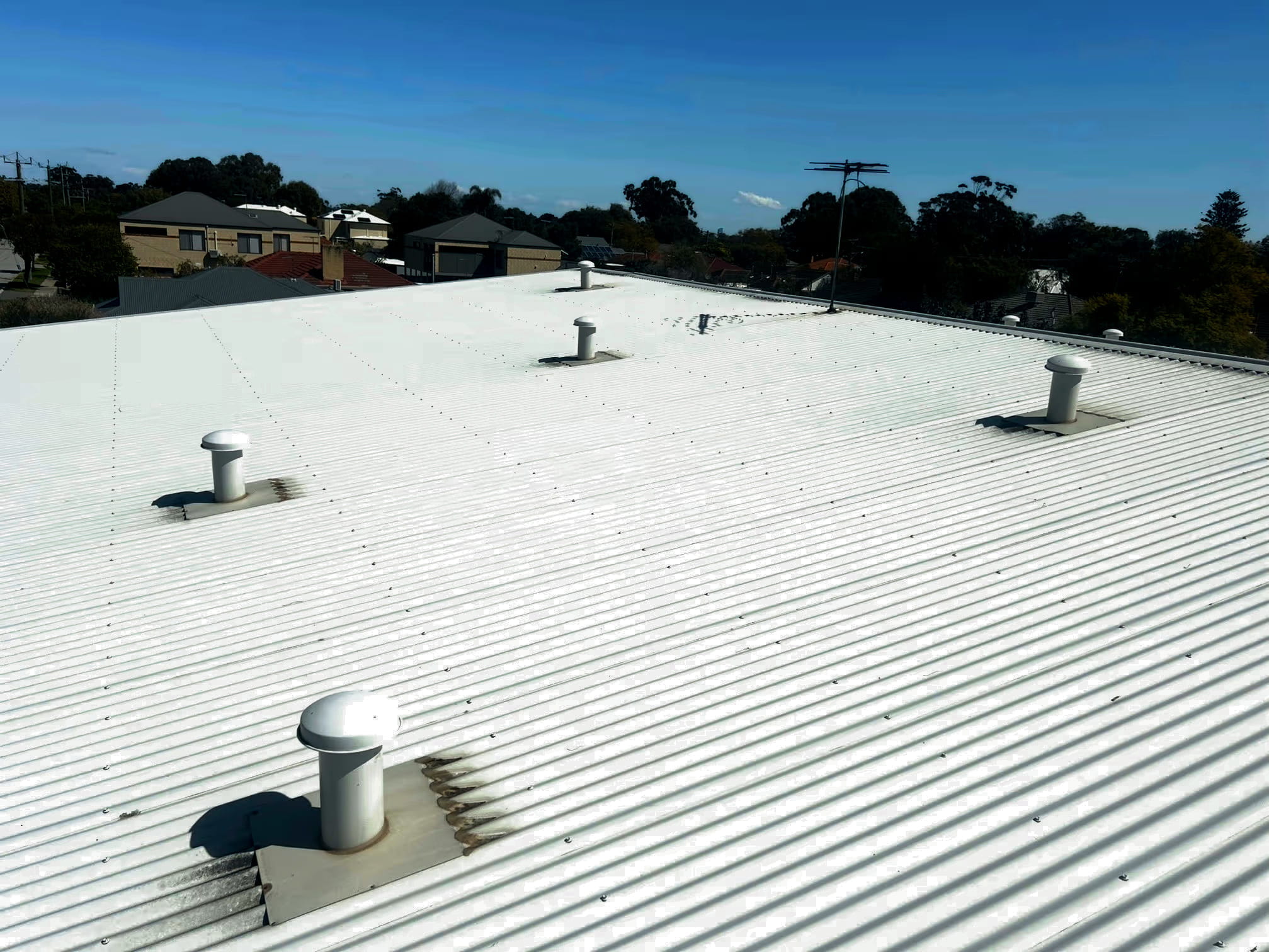
Roofing systems and the value of preventive care
Flat commercial roofs, box gutters, and large surface areas are particularly vulnerable to weather damage if left unchecked.
Preventive roofing maintenance includes:
- Gutter and downpipe cleaning (especially after Autumn leaf fall)
- Box gutter inspections to detect rust, sagging, or poor fall
- Leak detection around flashing, joints, and roof penetrations
- Membrane integrity checks for cracking or UV degradation
Inadequate roof maintenance is a leading cause of internal leaks, ceiling collapse, and electrical hazards.
By scheduling regular roofing checks and maintenance, property managers can protect both tenants and structural assets.

Consequences of neglected plumbing and roofing maintenance
When maintenance is reactive instead of proactive, the potential consequences can be far-reaching:
- Water damage to interiors, stock, and infrastructure
- Sewer overflows cause health risks and environmental violations
- Hot water outages affecting tenant operations (especially in gyms, hospitality and strata)
- Flooding of basements or carparks during storms
- Insurance claim disputes due to a lack of maintenance records
- Increased tenant churn due to perceived poor management
- Downtime for businesses leading to rent reduction claims
These incidents lead to more than just costly repairs—they can also undermine professional credibility and strain the trust between landlords, tenants, and property managers.
What about emergencies?
Yes, emergencies happen. But many ‘unexpected failures’ are actually predictable—if the right inspections and servicing are in place.
Examples include:
- Sewer overflows from unserviced grease traps – In hospitality venues, failing to clean grease traps regularly can cause severe blockages that back up into kitchens or public restrooms.
- Flooded basements from failed stormwater pumps – If stormwater ejection systems aren’t tested before the wet season, heavy rain can overwhelm underground carparks or storage areas.
- Backflow contamination from expired or damaged prevention devices – Without annual testing, these devices can fail silently, allowing contaminated water to enter potable supplies.
- Water damage from failed or corroded roof flashing – If roof flashing isn’t inspected regularly, water can enter through vents, skylights, or HVAC penetrations, leading to interior structural damage.
- Sudden loss of water pressure due to malfunctioning pressure valves – Pressure-reducing or boosting valves, if left unmaintained, can fail and disrupt water delivery across multiple floors.
- Collapsed pipes due to long-term corrosion or ground movement – CCTV inspections help detect early structural wear before it leads to a complete pipe collapse and excavation work. Damaged pipes can also cause water waste and damage.
- Gas leaks from untested connections or ageing pipework – In properties with gas appliances, annual checks of fittings and pipe integrity help prevent dangerous leaks and forced shutdowns.
Preventive maintenance doesn’t eliminate emergencies, but it dramatically reduces their frequency and impact. It also gives managers the confidence that when something does go wrong, it wasn’t due to oversight.

Benefits of a preventive maintenance approach
For commercial property professionals, the benefits of adopting a preventive maintenance approach for plumbing and roofing systems are substantial and measurable:
1. Cost control
Planned works avoid expensive emergency callouts, after-hours rates, and sudden system replacements.
2. Asset protection
Serviced infrastructure lasts longer and performs more reliably, safeguarding long-term property value.
3. Tenant satisfaction
Fewer disruptions lead to better tenant retention, fewer complaints, and improved operational continuity.
4. Legal compliance
Regular testing of backflow devices, roof systems, and trade waste ensures adherence to WA regulations and building codes.
5. Operational continuity
High-traffic buildings such as shopping centres, schools, and gyms cannot afford unexpected shutdowns. Preventive care supports uninterrupted service.
6. Professional reputation
A well-maintained commercial property reflects well on managers, owners, and strata committees. It demonstrates diligence and care, not avoidance or oversight.
What to include in a plumbing preventive maintenance plan
An effective plan should be tailored to the property type, usage patterns, and infrastructure age. Key components include:
- Annual service schedules for all major systems
- Seasonal inspections timed with Perth’s climate (e.g. gutter cleaning in Autumn, leak detection in Winter)
- CCTV drain assessments at regular intervals or after heavy rain
- Hot water servicing aligned with manufacturer guidelines
- Documentation of all service works, findings, and recommendations
- Clear reporting for strata committees and owners
- Compliance tracking for backflow devices and trade waste permits
We’ve put together a detailed preventive plumbing maintenance checklist for commercial property owners — you can check it out here.

Why partner with a commercial-only plumbing specialist
Managing plumbing in a commercial environment is not simply about scaling up domestic solutions. The complexity, compliance requirements, and operational pressures found in commercial and strata buildings call for a specialist approach.
Partnering with a professional plumber who works exclusively in the commercial space brings a level of precision, reliability, and strategic insight that generalist or domestic-focused contractors often cannot provide.
Here’s what a commercial-only plumbing partner brings to the table:
Expertise with multi-storey infrastructure
From pressure zones and pump systems to fire water lines and rooftop drainage, commercial buildings require a technical understanding of interconnected, large-scale systems.
In-depth knowledge of WA commercial plumbing codes
Compliance is non-negotiable in commercial settings. A dedicated commercial specialist understands the local standards, such as the Plumbing Code of Australia, Water Services Act, and Strata Titles Act, and ensures all work completed meets regulatory obligations.
Reporting tailored for property professionals
Strata managers, facilities teams, and commercial landlords need clear, professional documentation for committee approval, budgeting, and compliance tracking. A commercial provider knows what to report—and how to report it.
Capability to handle large-scale systems
Commercial-only teams are resourced with the tools, technology, and personnel needed to manage high-volume systems, complex repairs, and urgent works across multiple properties.
Maintenance aligned with commercial usage patterns
Commercial sites don’t always operate 9-to-5. Preventive work must be timed to minimise disruption to tenants and ensure continuity of service—something a specialist knows how to navigate.
Choosing a commercial-only plumbing partner isn’t just a matter of convenience. It’s a strategic investment in your building’s reliability, reputation, and value… and your peace of mind as a property manager, wearing many hats.

How PBR Plumbing supports your maintenance strategy
At PBR Plumbing, we work with property professionals across Perth to implement preventive maintenance programs tailored to their building, industry, budget, and compliance needs.
Our service includes:
- Structured inspection schedules
- Digital reporting for transparency and record-keeping
- Cross-trade support across plumbing, roofing, and gas
- Prompt and responsive repairs informed by real-time condition assessments
- End-to-end maintenance strategies are designed to reduce long-term costs
We help strata managers, facilities supervisors, and property owners move from reactive fire-fighting to structured care, reducing stress, improving outcomes, and supporting property asset performance year-round.
Don’t wait for a failure to fix your maintenance strategy
Preventive maintenance isn’t about avoiding all problems. It’s about taking control, reducing preventable failures, protecting tenant relationships, and maintaining compliance without surprise disruptions.
If you’re managing a commercial property without a formal plumbing maintenance strategy in place, now is the time to partner with a commercial plumber and implement a plan that protects your property long-term.
Need help developing a tailored preventive maintenance plan for your building? Contact PBR Plumbing today to schedule a consultation or learn more about our commercial maintenance services.


FILL IN THE FORM BELOW AND OUR TEAM WILL
GET IN TOUCH.