
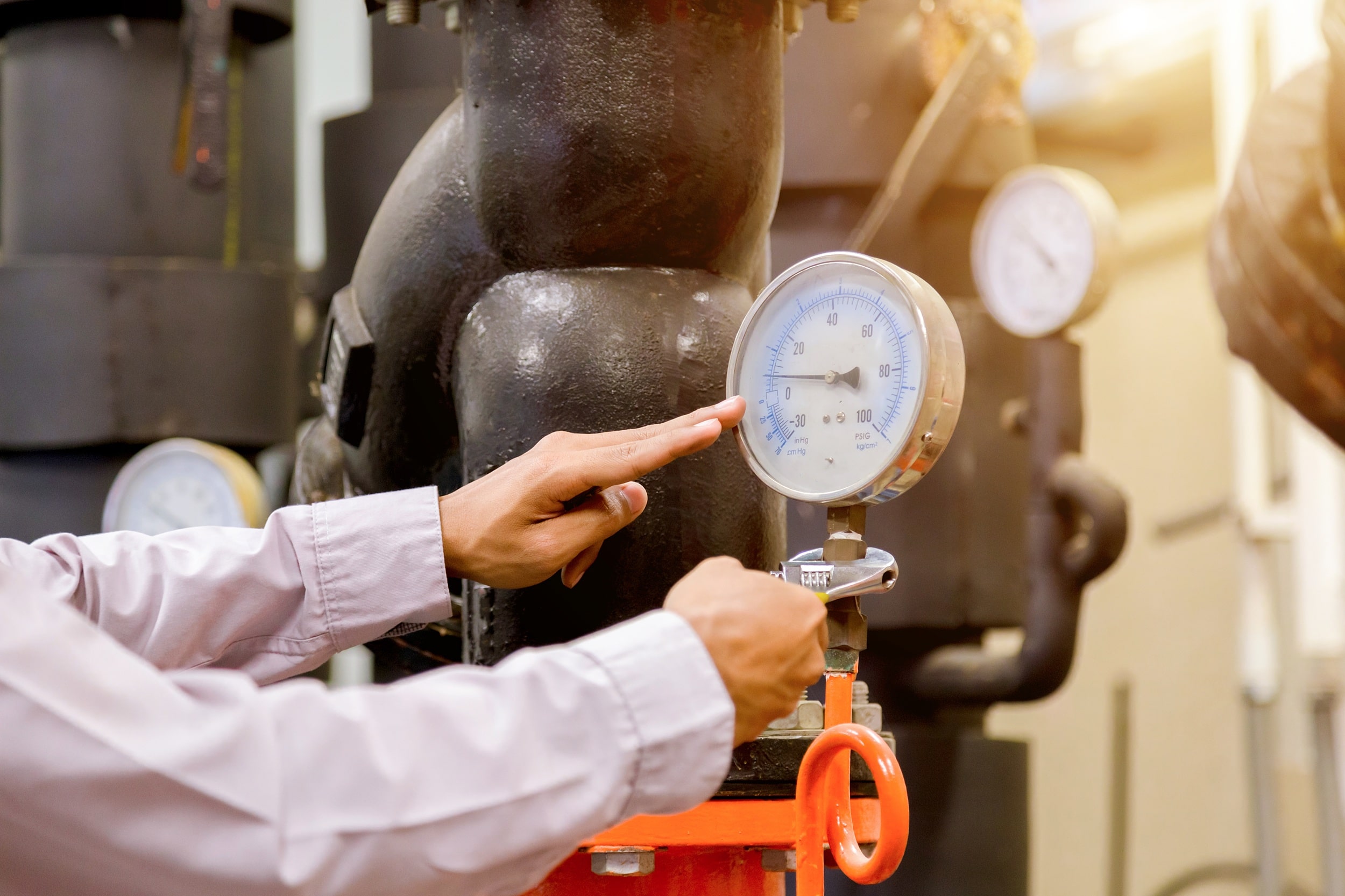
In commercial and strata property management, maintaining the integrity and functionality of a building’s core systems is a key part of your role. While issues like roof leaks or blocked drains are often visible and receive immediate attention, a property’s water pressure is a more subtle, yet equally critical, component of its plumbing infrastructure.
Unregulated water pressure, whether too high or too low, can lead to a cascade of problems, from damaged water fixtures and leaking pipes to inefficient plumbing system performance and tenant complaints.
For facilities and property managers, understanding the role of water pressure is fundamental to proactive asset management. A professional water pressure test is a key diagnostic tool that provides crucial insights into the health of a building’s plumbing system.
This preventative measure helps identify underlying risks before they escalate into costly emergencies, ensuring operational continuity and protecting the long-term value of the property.
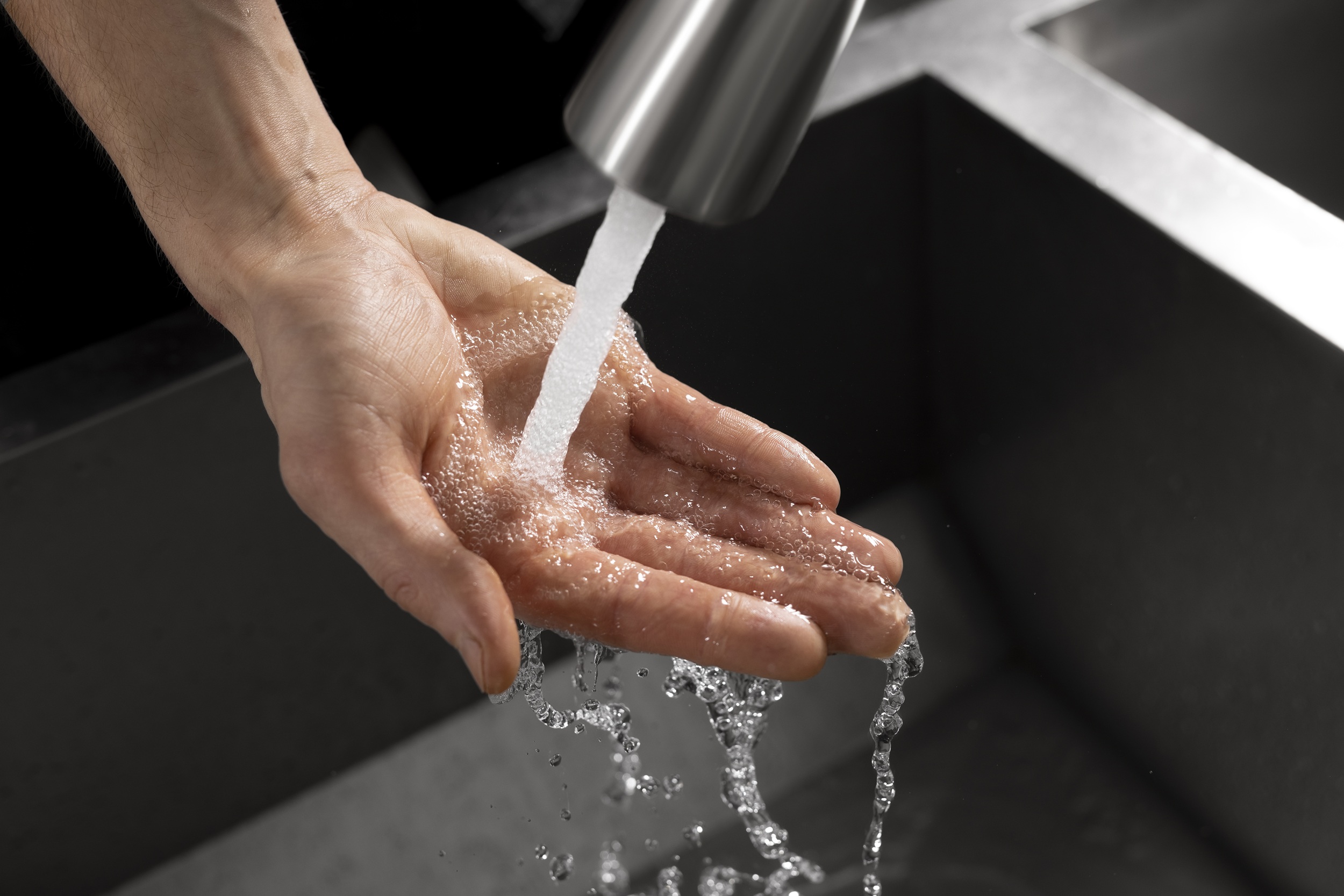
Why is optimal water pressure crucial for commercial properties?
Consistent and appropriate water pressure is essential for the daily operations of any commercial facility.
It affects everything from the functionality of amenities in restrooms and kitchens to the performance of specialised equipment and fire suppression systems. When water pressure deviates from the optimal range, it creates significant risks and inefficiencies.
- High water pressure: Excessive pressure places constant strain on pipes, joints, and plumbing fixtures. This can accelerate wear and tear, leading to premature failures, burst pipes, and significant water damage. It also wastes water and increases utility costs.
- Low water pressure: Inadequate pressure can frustrate tenants and disrupt operations. It results in poor performance from showers and taps, affecting the function of commercial appliances like dishwashers and coffee machines.
For industries such as hospitality, healthcare, gyms, and education, where water is integral to service delivery, maintaining correct water pressure is not just a matter of convenience—it is a critical operational and compliance requirement.
Key signs of a water pressure problem
Identifying a water pressure issue early can save significant time and resources. Property managers should be alert to several common indicators that suggest a professional test is needed.
Indicators of high water pressure
- Loud or banging pipes (water hammer): When taps are turned off, a loud banging sound can indicate that the pressure is too high for the system to handle.
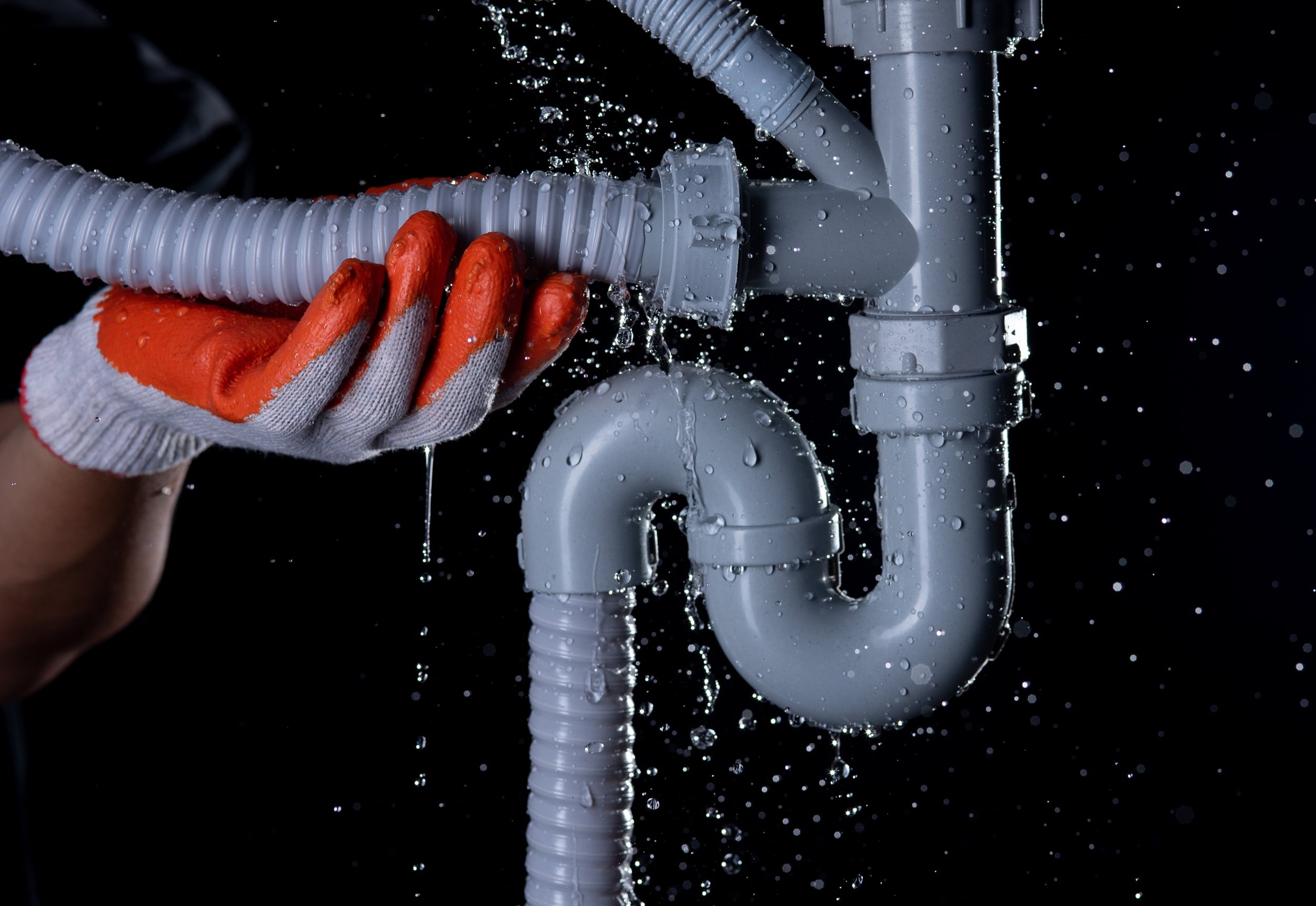
- Frequent plumbing leaks: A recurring need for repairs to dripping taps, running toilets, or leaking pipe joints is a strong sign of excessive system stress.
- Shortened appliance lifespan: Commercial appliances and hot water systems that fail more quickly than expected may be suffering from the strain of high pressure.
Indicators of low water pressure
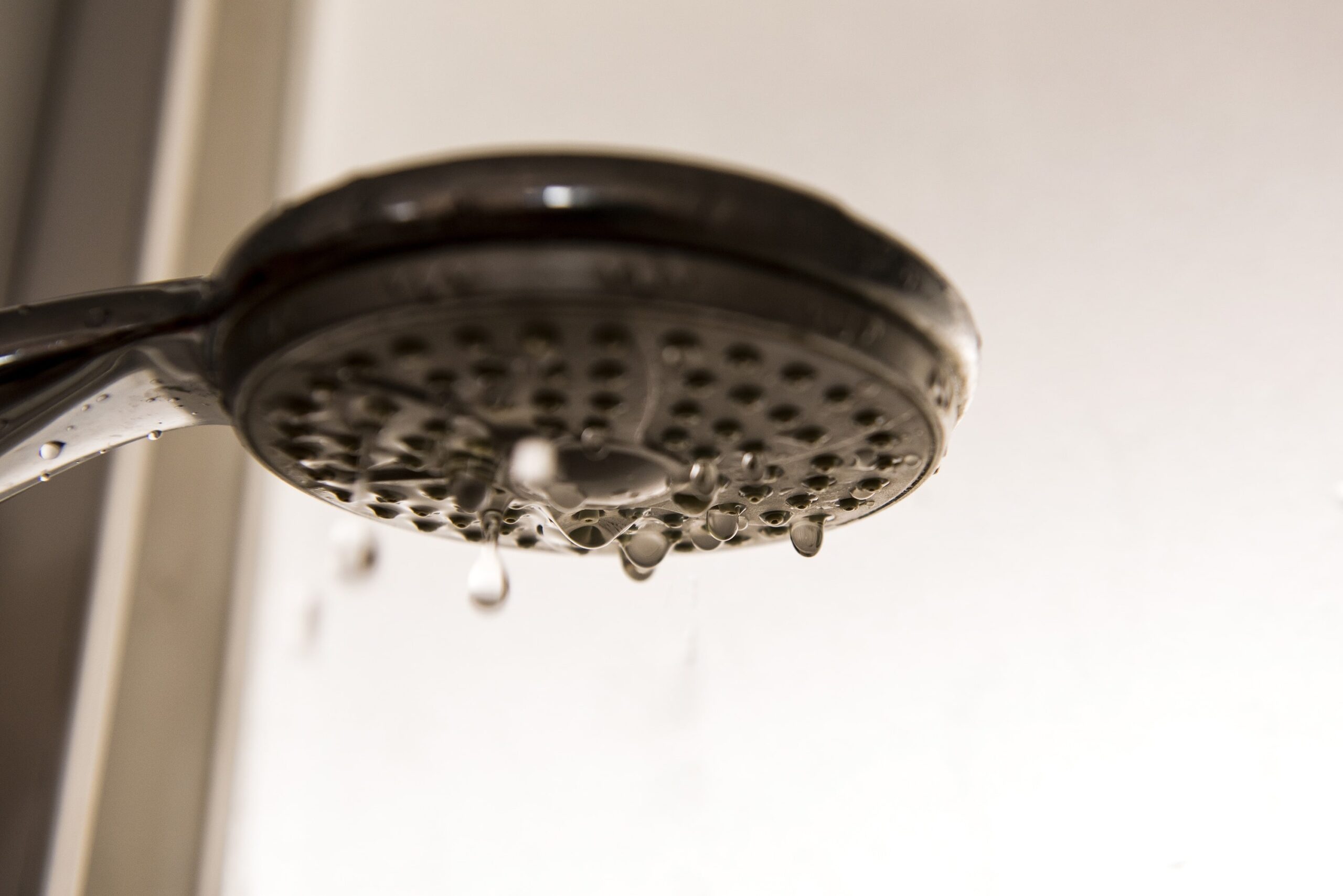
- Slow-filling fixtures: Toilets that take a long time to refill or taps that produce a weak stream are classic signs of low pressure.
- Tenant complaints: Feedback about poor shower performance or fluctuating water flow, particularly on upper floors of a multi-storey building, often points to a water pressure issue.
- Inadequate appliance performance: Commercial kitchen equipment or washing machines that do not function efficiently may not be receiving water at the required pressure.
What is the process of a professional water pressure test?
A professional water pressure test is a straightforward, non-invasive procedure that provides precise data about a property’s plumbing system.
At PBR Plumbing, our experienced commercial plumbers follow a structured and documented process to ensure accurate and comprehensive results.
- Initial consultation and assessment: Our process begins with a discussion to understand any specific issues you have observed, such as tenant feedback or recurring leaks. We identify the most appropriate locations to conduct the test.
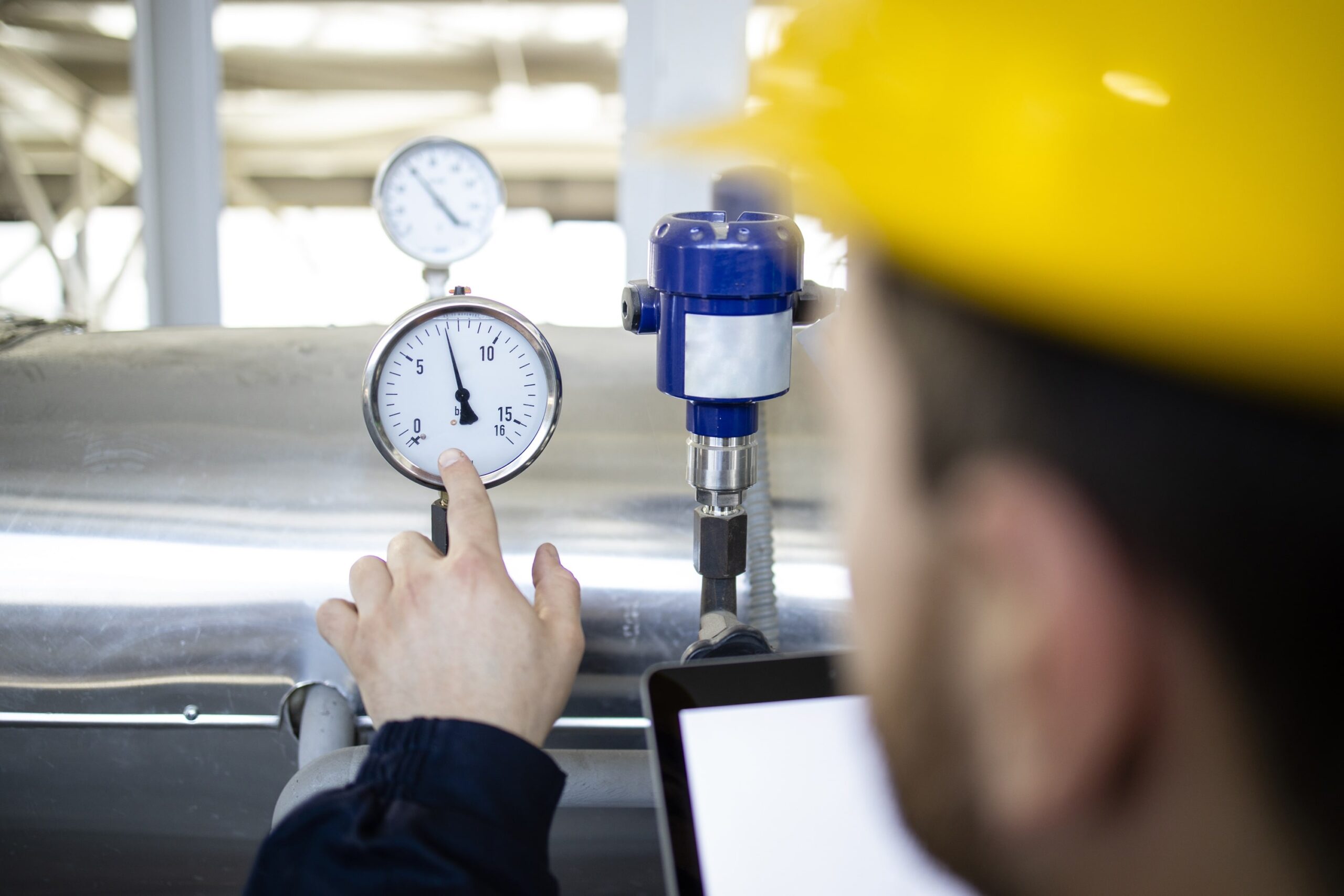
- Attaching the pressure gauge: A specialised pressure gauge is attached to an external tap or a designated testing point on the building’s main water line. This tool measures the static water pressure, which is the force of the water when all taps and appliances are turned off.
- Recording the static pressure: The technician records the pressure reading, typically measured in kilopascals (kPa). For most commercial properties in Western Australia, the recommended pressure is generally below 500 kPa to prevent damage to standard plumbing fixtures.
- Conducting a flow pressure test: To understand how the pressure behaves when water is in use, a flow pressure test is performed. This involves opening several taps or flushing toilets within the building and measuring the pressure again to see how significantly it drops. A major drop can indicate a blockage or a leak somewhere in the system.
- System-wide checks: In larger or more complex properties like multi-storey office buildings or strata complexes, tests may be conducted at various points, including on different floors and at pump sets, to identify any pressure inconsistencies throughout the site.
Interpreting the results: what happens next?
Once the test is complete, the results will determine the necessary course of action. The goal is to ensure the building’s water pressure is within a safe and efficient range.
If the pressure is too high
High pressure is a common issue, often caused by the municipal water supply. If the test reveals pressure above the recommended levels, the most effective solution is the installation of a pressure-reducing valve (PRV).
This device is fitted to the main water line entering the property and is calibrated to restrict the incoming pressure to a safe and consistent level, protecting the entire plumbing network.
If the pressure is too low
Low pressure can be more complicated to diagnose. The cause could be a partially closed water meter valve, a blockage in the pipes, or a hidden leak. In these cases, further investigation is often required.
Our technicians may recommend specialised leak detection services to pinpoint the source of water loss without unnecessary excavation.
For multi-storey buildings, a faulty or improperly calibrated booster pump may be the cause.
Partner with a commercial plumbing specialist
Effectively managing water pressure is a critical component of a proactive maintenance strategy. Ignoring the signs of a pressure imbalance can lead to emergency repairs, operational downtime, and dissatisfied tenants—all of which create stress and add to the workload of property managers. By engaging a specialist commercial plumbing partner, you can move from a reactive to a proactive approach, ensuring your property’s plumbing systems are operating safely and efficiently.
At PBR Plumbing, we specialise exclusively in commercial and strata properties across Perth. We understand the unique demands of managing large-scale assets and the importance of compliance, risk mitigation, and clear communication. Our team provides comprehensive water pressure testing and offers tailored solutions to protect your property’s infrastructure and provide long-term peace of mind.
To ensure the longevity and efficiency of your building’s plumbing system, a regular water pressure test is an essential investment to ensure your property’s water pressure remains compliant and functional 24/7.
Contact PBR Plumbing today to schedule a comprehensive site assessment and let our team create a tailored maintenance schedule that proactively protects your property.


FILL IN THE FORM BELOW AND OUR TEAM WILL
GET IN TOUCH.