
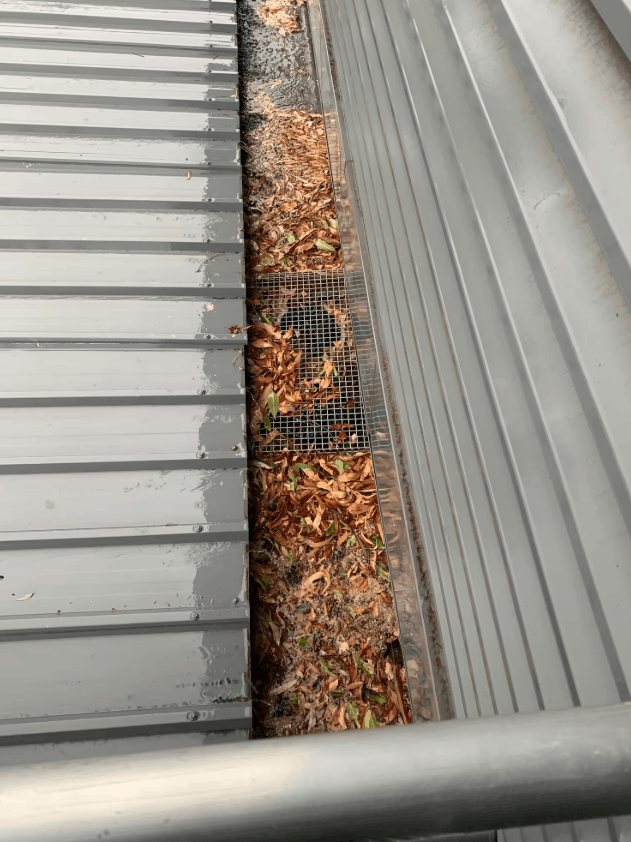
In commercial buildings, gutter systems play a critical role in roof drainage performance.
When drainage systems operate effectively, stormwater is directed away from the building in a controlled way. When performance drops, water can track into internal areas, interrupt operations, and increase pressure on maintenance teams.
In Western Australia, seasonal conditions add to that demand. Autumn brings a build-up of leaves and debris, followed by sustained winter rainfall. If not addressed early, drainage capacity can be reduced when the system is under the most pressure.
For property managers, this creates a familiar challenge — balancing day-to-day priorities while ensuring key building systems continue to perform.
Understanding the practical differences in box gutter vs eaves gutter systems helps inform how each property should be maintained to support consistent performance over time.
Why gutter design has long-term implications for commercial properties
Commercial roof drainage systems are designed to manage significant water volumes across large surface areas. Low-slope roofing, internal drainage points, and integrated gutter systems work together to control how water is collected and discharged.
The configuration of box gutter vs eaves gutter systems influences how that process performs under load.
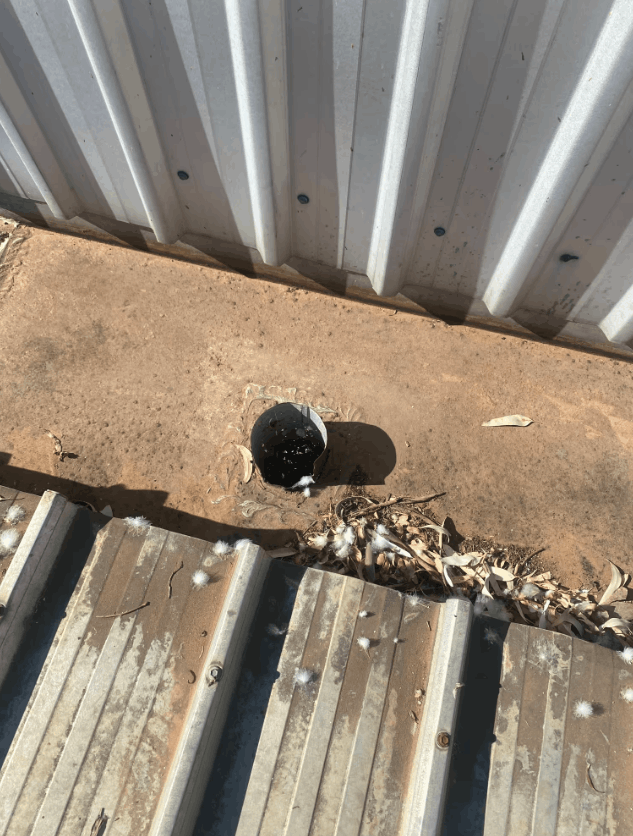
When drainage is restricted — through debris, reduced capacity, or material wear — water movement slows. During sustained rainfall, this places additional demand on gutters, outlets, and surrounding roofing components.
Over time, this can expose internal areas to moisture and shift maintenance from planned works to reactive response. For property managers overseeing multiple sites, these issues rarely occur in isolation.
A structured maintenance approach helps maintain flow capacity and reduces the likelihood of unplanned works.
Box gutters: performance and maintenance considerations
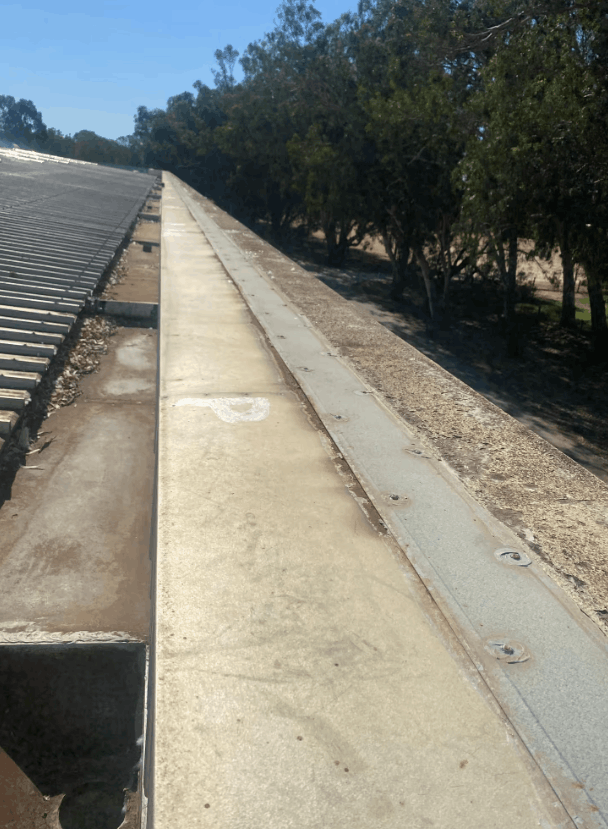
Box gutters are commonly used where large roof areas and parapet designs require an integrated drainage solution. Their position within the roof structure allows them to manage higher water volumes and direct flow into internal systems, making them well suited to wide-span, low-slope roofs.
Because box gutters are concealed, early signs of reduced performance are not always visible. Debris build-up, restricted outlets, or gradual wear can develop without immediate indication.
Key operational considerations
- Concealed location: Limits visibility and requires planned inspections
- High water capacity: Designed for large volumes across wide roof spans
- Integrated drainage: Direct connection to internal systems increases the impact of restrictions
Maintenance approach
Maintenance relies on scheduled inspections and planned servicing.
- Routine cleaning to maintain flow capacity
- Inspection of outlets and overflow provisions
- Monitoring for corrosion, wear, or debris build-up
- Coordinated roof access and safety planning
Consistency is critical. When maintenance aligns with seasonal conditions, box gutter systems continue to perform as intended.
Eaves gutters: performance and maintenance considerations
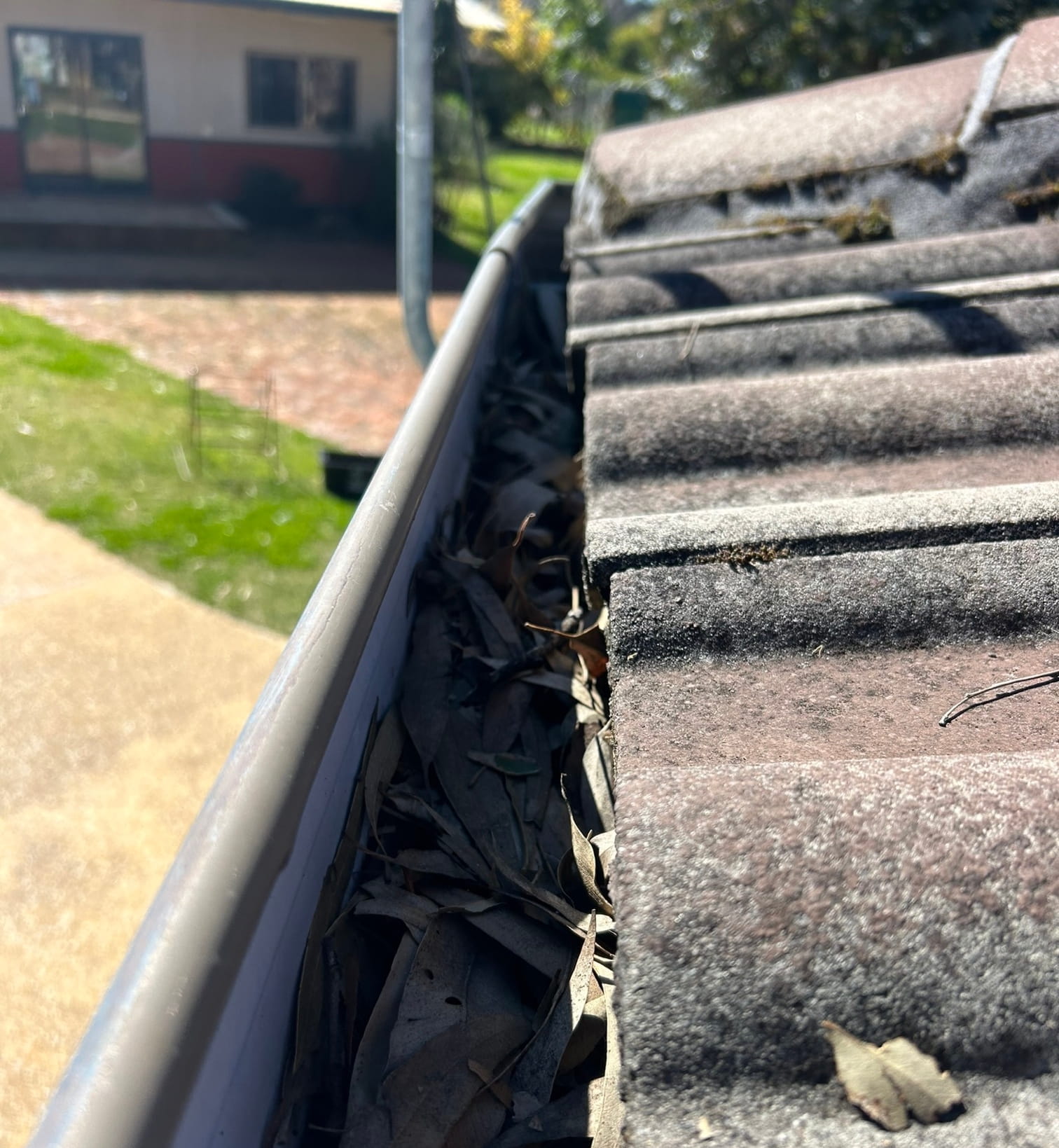
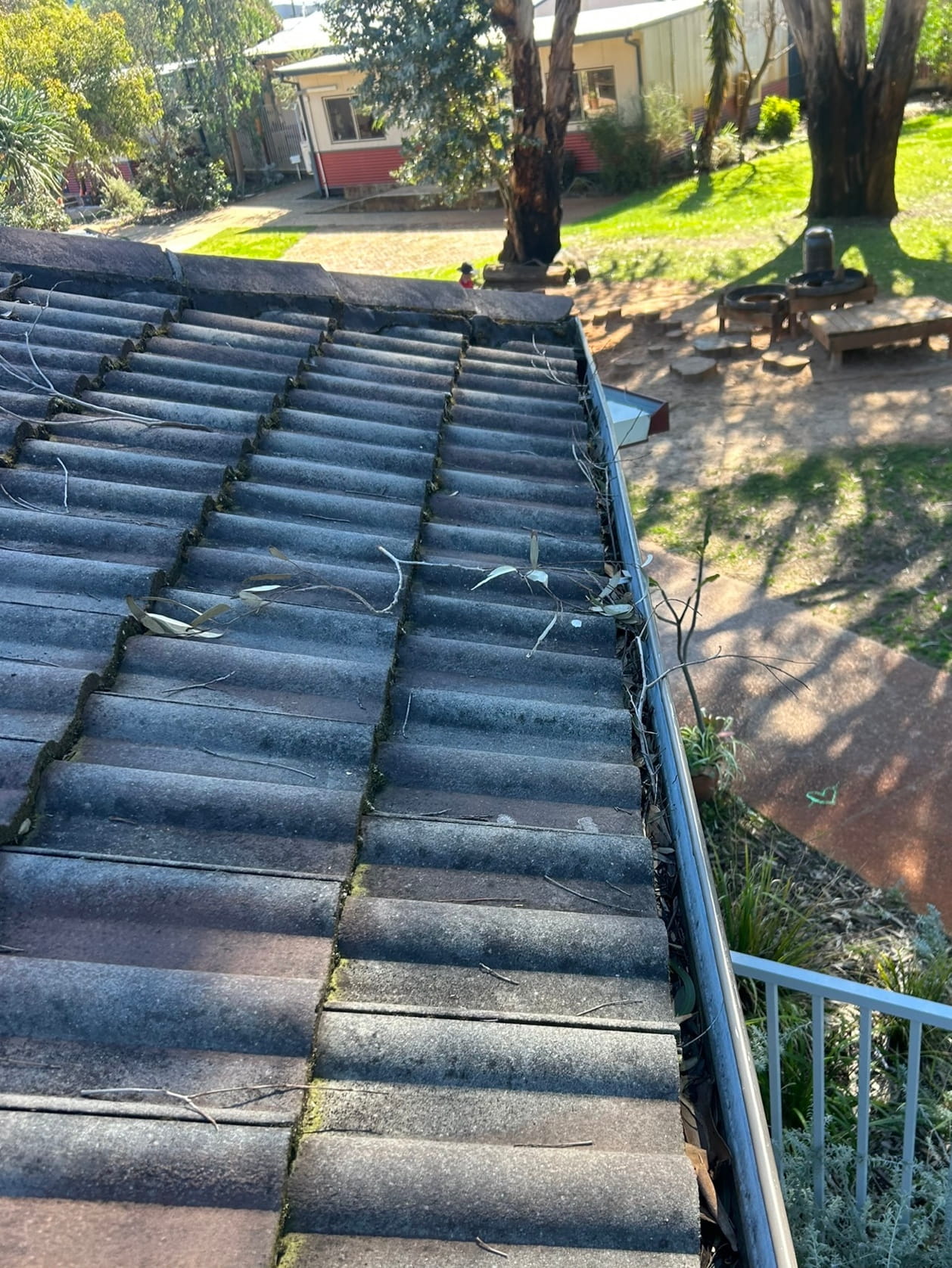
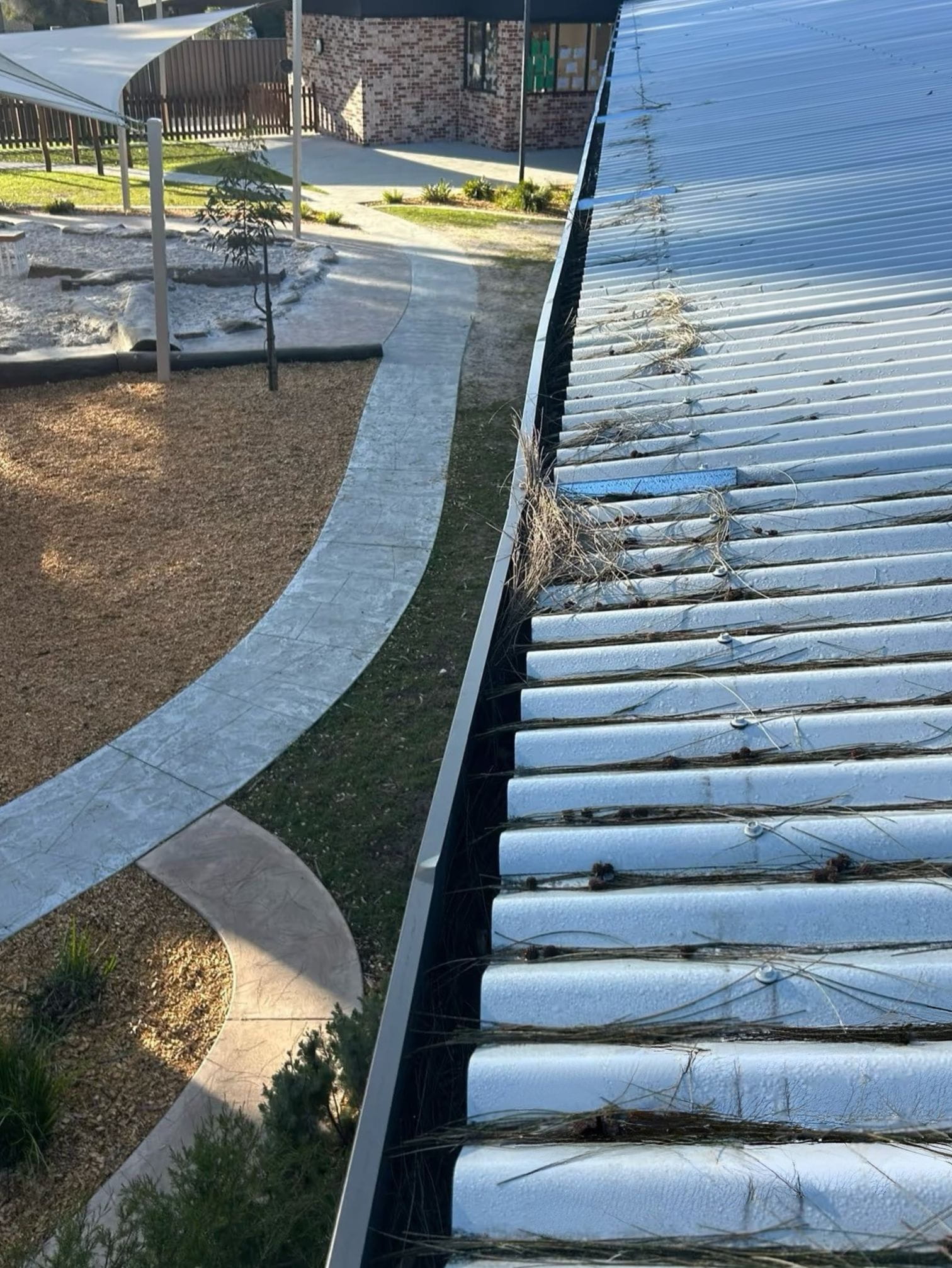
Eaves gutters sit along the roof edge and are one of the more visible components of a building’s drainage system. This visibility shapes how they are managed. Debris build-up and overflow are often identified during routine site checks, particularly after weather events.
Exposure to the elements means they continuously collect leaves, dust, and wind-blown material, especially in tree-lined areas.
What to keep in view
- Debris accumulation at the roof edge: Common after seasonal changes
- Overflow during heavier rainfall: Can affect façades, walkways, and entry points
- Bracket and alignment condition: Exposure can lead to gradual movement or wear
Maintenance approach
Because eaves gutters are accessible and visible, they lend themselves to regular upkeep as part of routine property inspections.
- Clearing debris before and during peak rainfall periods
- Incorporating gutter checks into site walk-throughs
- Ensuring downpipes remain unobstructed
- Addressing minor issues early
Regular attention helps maintain performance and reduces the likelihood of overflow.
Box gutter vs eaves gutter: what changes from a management perspective
From a property management standpoint, the difference between box gutter vs eaves gutter systems comes down to how each system is monitored and maintained.
The differences are most evident in day-to-day management:
Key differences in practice
| Consideration | Box Gutters | Eaves Gutters |
|---|---|---|
| Visibility of issues | Concealed within the structure | Visible along the roof edge |
| Detection | Requires scheduled inspections | Often identified during routine checks |
| Water handling | Designed for higher volumes | Suited to moderate flow |
| Impact of overflow | Internal areas can be affected | External areas more commonly impacted |
| Maintenance style | Planned and scheduled | Frequent and observational |
What this means for property managers
- Box gutters benefit from planned inspection schedules and consistent servicing
- Eaves gutters rely on regular attention during site visits
- Both systems require cleaning aligned with seasonal conditions
In most cases, the system is already in place. The focus shifts to how it is managed. Understanding how box gutter vs eaves gutter systems perform in practice helps reduce unplanned issues and maintain drainage performance.
Maintenance planning in WA conditions
In Western Australia, gutter performance is closely tied to seasonal conditions. Across most commercial properties, debris builds up during drier months and is then tested under increased rainfall through winter. If not cleared in advance, drainage capacity is reduced when demand is highest.
Seasonal considerations
- Autumn: Increased leaf and debris accumulation
- Winter: Sustained rainfall placing higher demand on systems
- Dry periods: Debris can compact and become harder to clear
Planning maintenance
- Schedule cleaning ahead of winter rainfall
- Align inspections with seasonal transitions
- Ensure downpipes and stormwater systems are clear
- Monitor areas prone to debris build-up
Consistency across properties helps maintain predictable performance and reduces the likelihood of isolated issues escalating.
What a proactive gutter maintenance plan should include
A structured gutter maintenance plan ensures systems are managed consistently across your property.
Maintenance is scheduled around building requirements and seasonal demand, reducing reliance on reactive work and improving visibility across multiple sites.
Well-maintained gutter systems support building performance by managing water effectively at roof level. This protects roofing materials, reduces exposure to internal areas, and supports consistent operation over time.
By addressing minor issues early, proactive maintenance reduces unplanned work and helps maintain control across your property portfolio.
Working with a commercial plumbing partner
Managing gutter systems across multiple properties requires consistent oversight.
A commercial plumbing provider helps structure maintenance around the building, rather than reacting to isolated issues. Scheduled servicing and clear reporting support more predictable outcomes.
At PBR Plumbing, we work with property managers across Perth to deliver planned commercial plumbing and roofing maintenance, including gutter cleaning, roof inspections, leak detection, and stormwater servicing.
This approach supports better control over building performance and reduces the pressure associated with reactive maintenance. If you’re reviewing your current maintenance approach or planning ahead for seasonal works, our team can support structured drainage and roofing maintenance across your portfolio.
Keeping gutter systems performing as intended
Gutter systems play a key role in how commercial buildings manage water, particularly under Western Australia’s seasonal conditions.
While the difference between box gutter vs eaves gutter systems influences drainage, long-term performance is shaped by how consistently each system is maintained.
When maintenance is planned, drainage systems continue to operate as intended through changing conditions. This supports consistent building performance and reduces the likelihood of disruption.
For property managers, this creates greater control across multiple sites and clearer visibility over how each building is performing.
With the right maintenance strategy in place — and the support of an experienced commercial plumbing partner — gutter systems support the broader performance of the property, rather than becoming a source of reactive work.
Frequently asked questions
Are box gutters more prone to internal water damage than eaves gutters?
Box gutters can pose a higher internal risk if drainage is restricted, as they are integrated within the building structure. This makes early detection and scheduled inspections important to maintain performance.
How often should commercial gutters be inspected in Western Australia?
Inspection frequency depends on the property and surrounding environment, but commercial gutters are typically checked before and after high-debris periods and ahead of winter rainfall to ensure adequate drainage capacity.
Can poor gutter maintenance affect compliance requirements?
Yes. In commercial properties, drainage systems form part of the building’s overall performance. Poor maintenance can contribute to issues that may affect compliance with building and safety standards.
What are early warning signs of reduced gutter performance?
Early signs can include slow drainage, minor overflow during rainfall, or visible debris build-up. In concealed systems like box gutters, these signs may not be immediately visible, reinforcing the need for scheduled inspections.
Is gutter maintenance usually handled separately or as part of a broader plan?
For commercial properties, gutter maintenance is most effective when included as part of a broader roofing and drainage maintenance plan. This ensures all components work together as intended.


FILL IN THE FORM BELOW AND OUR TEAM WILL
GET IN TOUCH.