
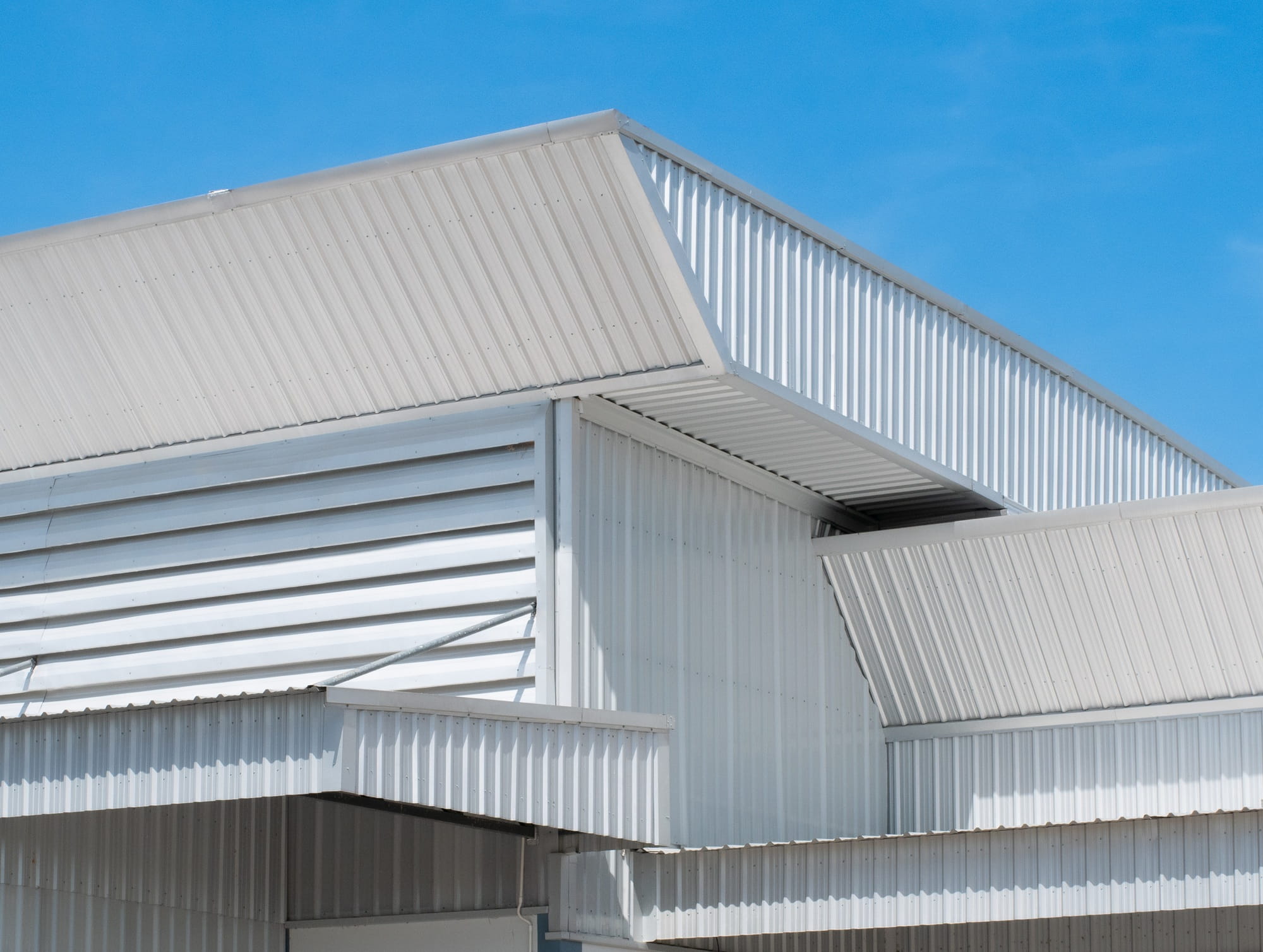
Summary: Flat roofs are commonly used on commercial buildings because they suit the structural, operational, and drainage requirements of large properties. This guide explains why flat roofs are used on commercial buildings, how these roofing systems manage stormwater, and the common materials used in commercial construction. Proactive inspections and maintenance by specialists like PBR Plumbing help protect commercial buildings, maintain drainage performance, and support compliance with Australian building standards.
Across most commercial areas — from office complexes and warehouses to retail centres — flat or low-slope roofs are a common architectural feature.
Flat roofing systems suit the scale, infrastructure, and operational needs of commercial buildings. From construction efficiency to rooftop equipment space and drainage design, several factors make this roofing style the preferred choice for large properties.
For property managers, understanding these factors provides the necessary context for planning inspections, maintaining compliance with the National Construction Code (NCC), and managing long-term asset depreciation.
What is considered a flat roof?
Despite the name, a flat roof is not completely level. In commercial construction, these systems are more accurately described as low-slope roofs.
Flat roofs are designed with a slight gradient—typically with a minimum ‘fall’ of 1° to 2° (depending on the profile and material) as per Australian Standards (AS 1562.1) and the NCC—to allow rainwater to drain toward designated outlets.
Unlike residential pitched roofs, which rely on gravity to quickly move water into gutters and downpipes, flat commercial roofs use engineered drainage systems to manage rainfall across a much larger area
These systems may include:
- Internal roof drains connected to downpipes
- Scuppers that allow water to exit through the side of the building
- Mandated overflow outlets for extreme rainfall events
- Box gutter systems designed to carry high volumes of stormwater away from the property
Without proper drainage design and regular roofing maintenance, water can accumulate on the roof surface. This condition — known as ponding — places additional stress on roofing materials and significantly increases the risk of leaks over time.
Why are flat roofs used on commercial buildings?
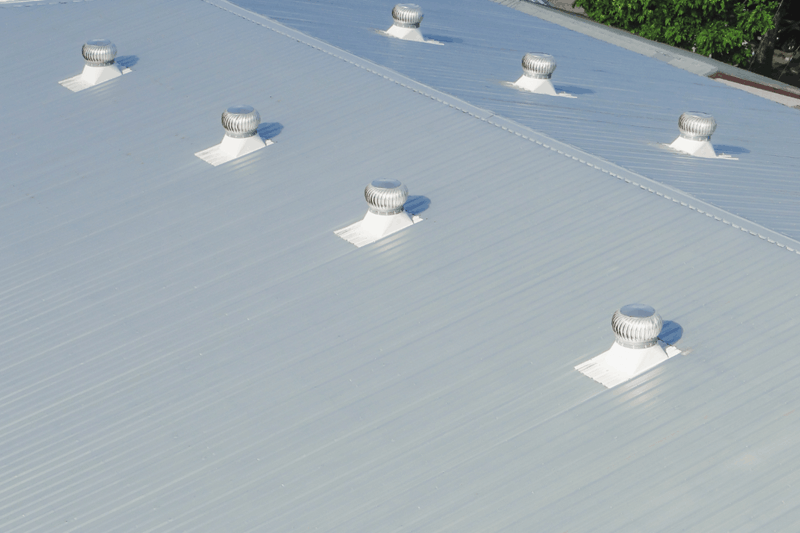
Flat roofs have become the standard design for many commercial buildings because they suit the structural and operational demands of large properties. There are several practical reasons why flat roofs are used on commercial buildings, including construction efficiency, rooftop equipment space, drainage design, and long-term maintenance considerations.
Cost efficiency
Flat roofs are generally more economical to construct than pitched roofs on large buildings. They require fewer materials and less complex structural framing. Because commercial buildings often cover large areas, a flat roof provides a simpler design that reduces both construction time and project costs.
Structural practicality
Most modern commercial buildings are constructed using steel and reinforced concrete frameworks designed to support wide, open interior spaces.
Flat roofing systems integrate naturally with these structures. Installing a steep roof across a large commercial building would add significant weight and complexity to the structure.
Low-slope roofs provide a practical way to cover large spans while maintaining structural efficiency.
Space for rooftop equipment
Commercial buildings often rely on rooftop infrastructure to support building operations.
Flat roofs provide space for equipment such as:
- HVAC units
- Ventilation systems
- Exhaust systems
- Communications equipment
- Solar panels
- Compliant walkway systems and fall-protection anchors (essential for meeting WorkSafe WA requirements)
Locating this equipment on the roof preserves internal floor space and allows technicians to access systems without interrupting building operations.
Easier access for inspections and maintenance
Flat roofs also allow safer and more convenient access for inspections and maintenance.
Contractors frequently need to access rooftops to service mechanical systems, inspect roof sheeting, and maintain drainage infrastructure. A flat surface makes it easier to move around the roof and carry out inspections efficiently.
This accessibility supports regular maintenance and early identification of potential issues.
Energy efficiency opportunities
Modern flat roofing systems contribute to improved energy performance. Many WA commercial roofs use reflective materials (such as TPO or light-coloured Colorbond) that reduce heat absorption. By reflecting sunlight, these surfaces help regulate internal temperatures and reduce cooling demands during Perth’s 40°C+ summer days.
Additional rooftop space
Flat roofs can also create usable space for building infrastructure.
Depending on the design, rooftops may accommodate:
- Plant equipment
- Service walkways
- Solar installations
- Green roof systems
In dense commercial developments where ground space is limited, this additional rooftop area can help maximise the efficiency of the building footprint.
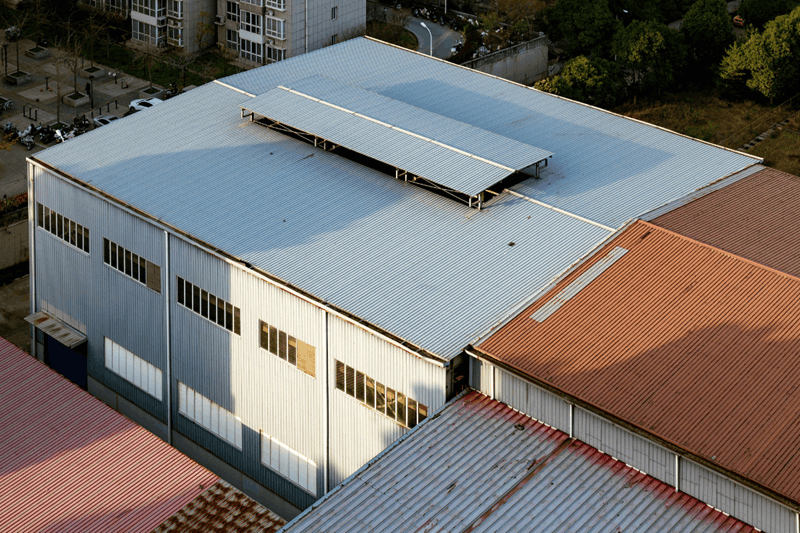
Types of flat roofs used on commercial buildings
Commercial roofing materials are chosen for their ability to withstand extreme UV exposure and intense winter storms.
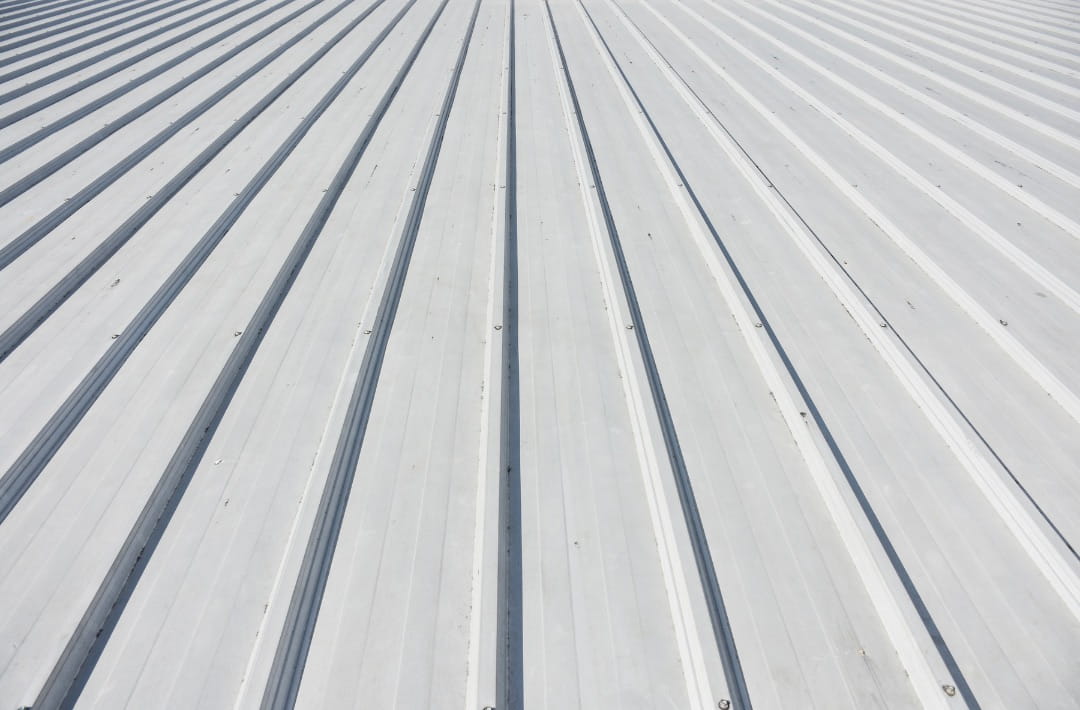
- Concealed-fix metal sheeting (e.g., Klip-Lok): The most common choice for WA commercial spans. It uses a clip-on system rather than piercing screws, allowing for thermal expansion and preventing leaks on pitches as low as 1°.
- Long-run metal profiles (e.g., Trimdek): Widely used on industrial warehouses; these profiles feature deep ribs designed to manage high volumes of water.
How flat roofs manage drainage
Because flat roofs cover large areas, drainage is a critical part of their design.
Rather than relying on steep slopes, flat roofs use engineered drainage systems that channel water towards designated outlets. These systems typically include internal drains, large-capacity box gutters, scuppers, and mandated overflow outlets.
When functioning properly, these components prevent water from accumulating on the roof surface.
However, blocked outlets or poor maintenance can allow water to collect on the roof. This ponding places additional stress on roofing materials and can increase the likelihood of leaks.
In Perth, seasonal conditions can contribute to drainage problems. Leaves and debris often accumulate in gutters and roof drains during autumn, while heavy winter rainfall can overwhelm blocked drainage points.
Regular inspections help ensure these systems remain clear and functional. For commercial property managers, maintaining clear drainage systems is an important part of protecting the building envelope and avoiding costly repairs.
Maintenance considerations for commercial flat roofs
While flat roofs offer many practical benefits, they rely on regular inspection and maintenance to perform effectively over time.
Because these roofs have a low slope, debris such as leaves, dirt, and sediment can accumulate on the roof surface or within drainage outlets. In Perth’s dry climate, this silt can harden over summer and lead to major blockages when the winter rains arrive.
Routine maintenance typically includes:
- Clearing debris from roof surfaces and drains
- Inspecting metal sheeting for damage
- Checking flashings around penetrations
- Cleaning gutters and stormwater outlets
- Identifying areas where water may accumulate
Regular inspections are particularly important for flat roofs. Weather exposure, temperature fluctuations, and frequent rooftop access from service contractors can gradually affect roofing materials.
Identifying minor issues early helps prevent internal water damage and allows maintenance to be carried out before more costly repairs are required.
Why commercial flat roofs benefit from proactive maintenance
Flat roofing systems are widely used on commercial buildings because they work well for large structures. However, their scale and design mean they benefit from a proactive maintenance approach.
Commercial roofs often span large surface areas and support essential building infrastructure such as HVAC systems, ventilation equipment, and solar installations. Combined with complex drainage systems and regular contractor access, even small issues — such as blocked outlets or compromised sheeting — can develop into larger problems if they are not identified early.
Regular inspections and preventative maintenance help keep drainage systems functioning properly, extend the lifespan of roofing materials, and reduce the likelihood of unexpected leaks or disruptions.
Supporting the performance of commercial roofing systems
Managing a commercial property involves balancing operational demands, maintenance planning, and long-term protection. Roofing systems are a critical part of that responsibility, even though they often receive attention only once a problem appears.
At PBR Plumbing, we work with commercial properties across Perth to take a proactive approach to roofing and drainage maintenance. By identifying potential issues early and maintaining drainage systems before problems arise, commercial property managers can reduce the risk of costly repairs and unexpected disruptions.
Our services include:
- Routine roof inspections and condition assessments
- Gutter and drainage maintenance
- Roof leak detection and repairs
- Ongoing maintenance support for commercial properties
Stay ahead of commercial roofing issues
With the right maintenance strategy in place, commercial buildings can continue to benefit from the practical advantages that make flat roofs a common choice in modern construction.
Small roofing issues rarely stay small. Blocked drainage, damaged sheeting, or minor leaks can quickly develop into costly repairs if they are not addressed early.
If you want to keep your commercial roofing and drainage systems performing reliably, our team at PBR Plumbing is here to help. We work with property managers across Perth to identify potential issues early and maintain roofing systems before problems escalate.
Explore our commercial roofing maintenance services or contact us to schedule a professional roof inspection today.
PBR Plumbing is here to help you stay proactive.
Frequently asked questions
Why do commercial buildings have flat roofs instead of pitched roofs?
Flat roofs are more practical for large commercial structures. They require less complex framing, cover wide building spans more efficiently, and provide usable rooftop space for equipment such as HVAC systems and solar panels.
Do flat roofs drain water properly?
Yes. Flat roofs are designed with a slight fall that directs rainwater toward internal drains, scuppers, or downpipes. Regular maintenance is important to ensure these drainage points remain clear and function properly during heavy rainfall.
Do flat roofs require more maintenance?
Flat roofs benefit from regular inspections to ensure drainage systems remain clear and roofing materials remain in good condition. Proactive maintenance helps prevent issues such as ponding water, leaks, and premature roof deterioration.
What types of commercial roofs do you service?
We service a wide range of commercial roofing systems, including metal roofs, tiled roofs, and flat or low-slope roofing systems. Our team works across offices, retail centres, hospitality venues, warehouses, and industrial facilities throughout Perth.
Do you offer ongoing roof maintenance plans?
Yes. We provide tailored maintenance plans for commercial properties that include routine inspections, gutter cleaning, drainage checks, and minor roofing repairs. Scheduled maintenance helps keep roofing systems compliant and operating reliably throughout the year.
How long do commercial flat roofs last?
Most commercial flat roofing systems last between 20 and 40 years, depending on the material, installation quality, and maintenance. Regular inspections and drainage maintenance can significantly extend the lifespan of the roof.


FILL IN THE FORM BELOW AND OUR TEAM WILL
GET IN TOUCH.