
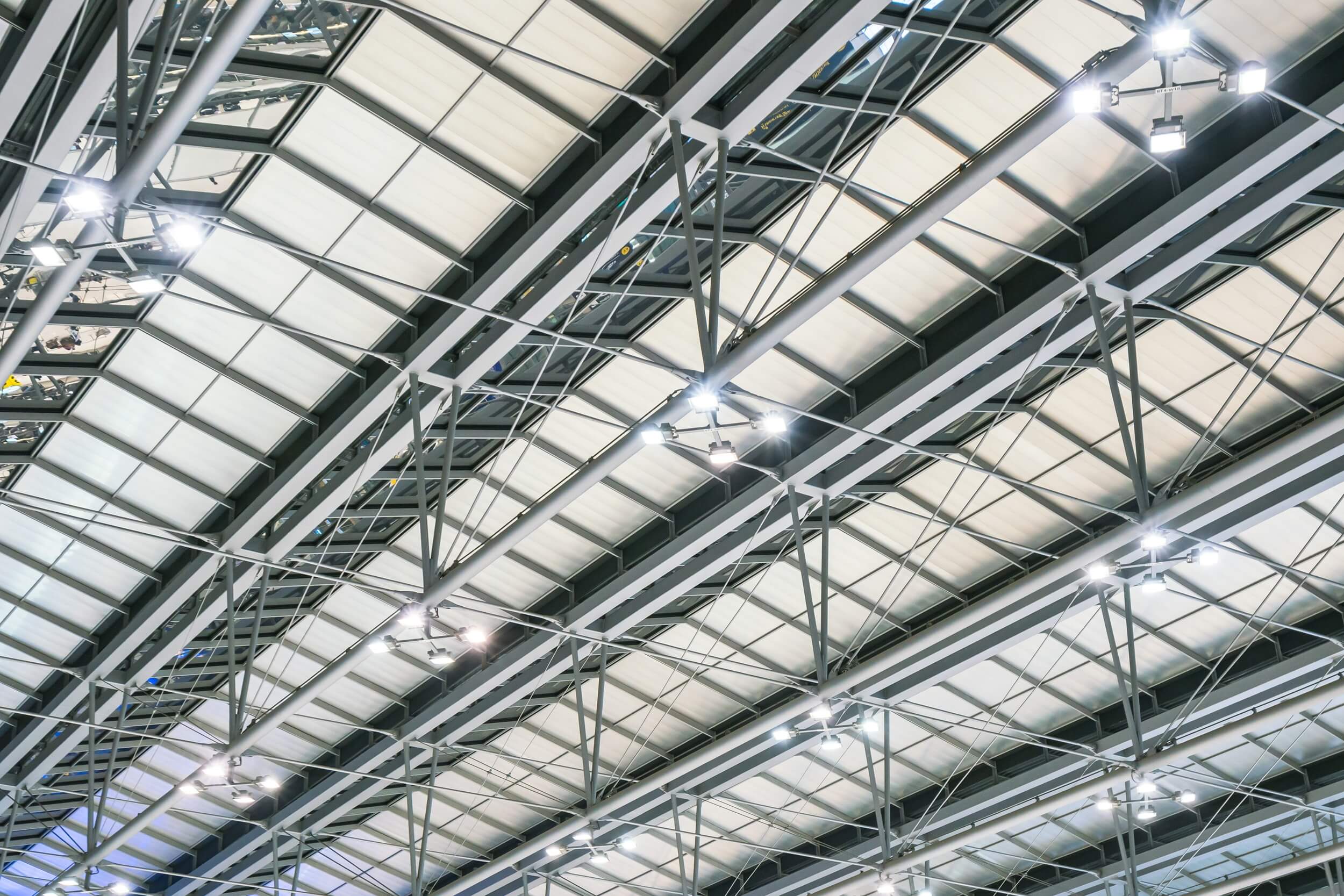
Summary: Roof leaks in commercial buildings can cause costly damage if not detected early. This guide outlines common signs of a leaking rooftop, causes, and proactive detection methods. Routine roofing maintenance by experts like PBR Plumbing helps safeguard your property and ensures compliance with building regulations.
Why proactive roof leak detection matters
A leaking rooftop can compromise structural integrity, damage internal finishes, and disrupt building operations.
In commercial environments, where multiple stakeholders rely on a well-functioning space, delayed detection can lead to significant operational downtime, tenant dissatisfaction, and expensive rectification work.
Signs you may have a leaking rooftop
Leak detection doesn’t always start with a drip from the ceiling. Subtle signs can indicate water ingress well before visible damage occurs. Look for:
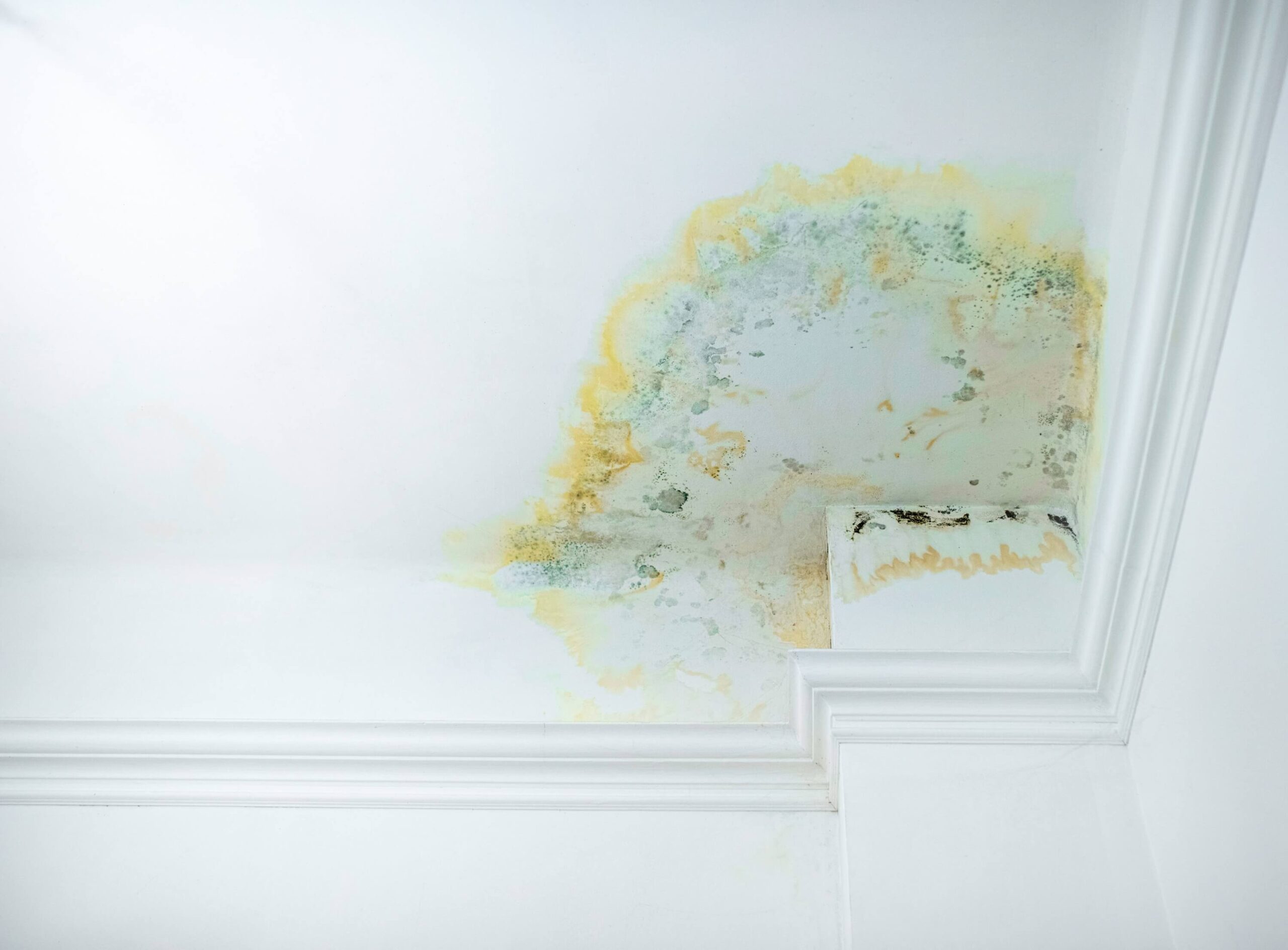
- Water stains on ceilings or walls: Yellow-brown marks or peeling paint may suggest a persistent leak above.
- Mould or mildew odours: A musty smell indoors can signal hidden dampness, especially in ceiling cavities or wall linings.
- Dripping sounds after rain: Audible dripping, especially in roof voids or upper floor ceilings, should never be ignored.
- Bubbling paint or swollen plasterboard: Moisture trapped behind finishes can deform materials over time.
- Sagging ceiling tiles: In tiled ceiling systems, absorbed water may cause tiles to bow or collapse.
- Water pooling on the roof: Known as ‘ponding’ this issue commonly affects flat commercial roofs.
Common causes of commercial roof leaks
Understanding the cause of your leaky roof can help you apply the right solution and avoid repeat issues:
- Blocked or overflowing gutters: Debris from nearby trees can clog gutters, causing water to overflow into roof cavities. This issue is most common during autumn in Perth.
- Damaged or aged flashing: Flashings around penetrations like HVAC units, skylights, or vents can degrade or come loose through wear and tear.
- Compromised metal sheeting: On flat or low-pitch roofs, deterioration of metal sheeting is a common cause of leaks. This can result from prolonged UV exposure, corrosion, poor installation, or lack of maintenance.
- Poor roof design or drainage: Inadequate falls or undersized drainage can cause ponding, especially in heavy rain.
- Mechanical damage: Trades accessing the roof for HVAC or electrical work can inadvertently damage roofing materials.
Who’s responsible for roof leaks?
Responsibility for roof leaks in a commercial building typically falls to the landlord or property owner, as the roof is considered part of the building’s structural infrastructure.
However, understanding where the landlord’s duty ends and the tenant’s begins is important for effective issue resolution, especially in leased commercial spaces.
Landlord responsibilities: the building’s structure and shared systems
The landlord is typically responsible for:
- The roof and gutters, including leak repairs and clearing blocked downpipes
- Stormwater drainage systems connected to the base building
- Structural components that preserve the integrity and safety of the building
- Common area plumbing, such as shared kitchenettes or bathrooms
Because roof leaks directly impact the building envelope and can affect multiple tenancies, they are almost always considered a landlord issue.
Tenant responsibilities: internal use and fit-outs
Tenants, on the other hand, are usually responsible for:
- Internal fixtures like taps, sinks, and toilets within their leased area
- Plumbing for tenant-installed equipment, e.g., dishwashers or coffee machines
- Blockages resulting from misuse (e.g., grease or debris)
- Maintenance of altered layouts tied to their specific fit-out
In rare cases, if a tenant’s fit-out compromises the roof (for example, through unauthorised penetrations for signage or ventilation), they may bear some liability for resulting leaks.
You can read a more detailed article on responsibility breakdown in our blog: Who is responsible for plumbing in a commercial lease?
How PBR Plumbing detects commercial roof leaks
At PBR Plumbing, we approach roof leak detection with methodical precision, combining years of experience with qualified processes that provide lasting results and minimise disruption to your operations.
Our process includes:
1. Visual roof inspections
Our team assesses the entire roof surface, inspecting for damaged roof sheeting, perished silicone seals, cracked tiles, lifted flashings, and blocked drainage points, including rusted or deteriorated roof penetrations.
2. Water test
We perform controlled water tests to accurately identify the source of roof leaks. This confirms the cause before repairs begin, allowing us to address the issue with precision and ensure it’s fully resolved.
3. Moisture detection tools
We use moisture meters to detect water ingress hidden inside wall cavities, which are particularly useful in large commercial buildings.
4. Gutter and drainage assessment
Given many roof leaks stem from poor drainage, we inspect gutters, downpipes, and stormwater outlets to ensure water is flowing freely.
5. Internal building inspection
Ceiling voids and upper floor interiors are checked for signs of water staining, mould, or structural movement.
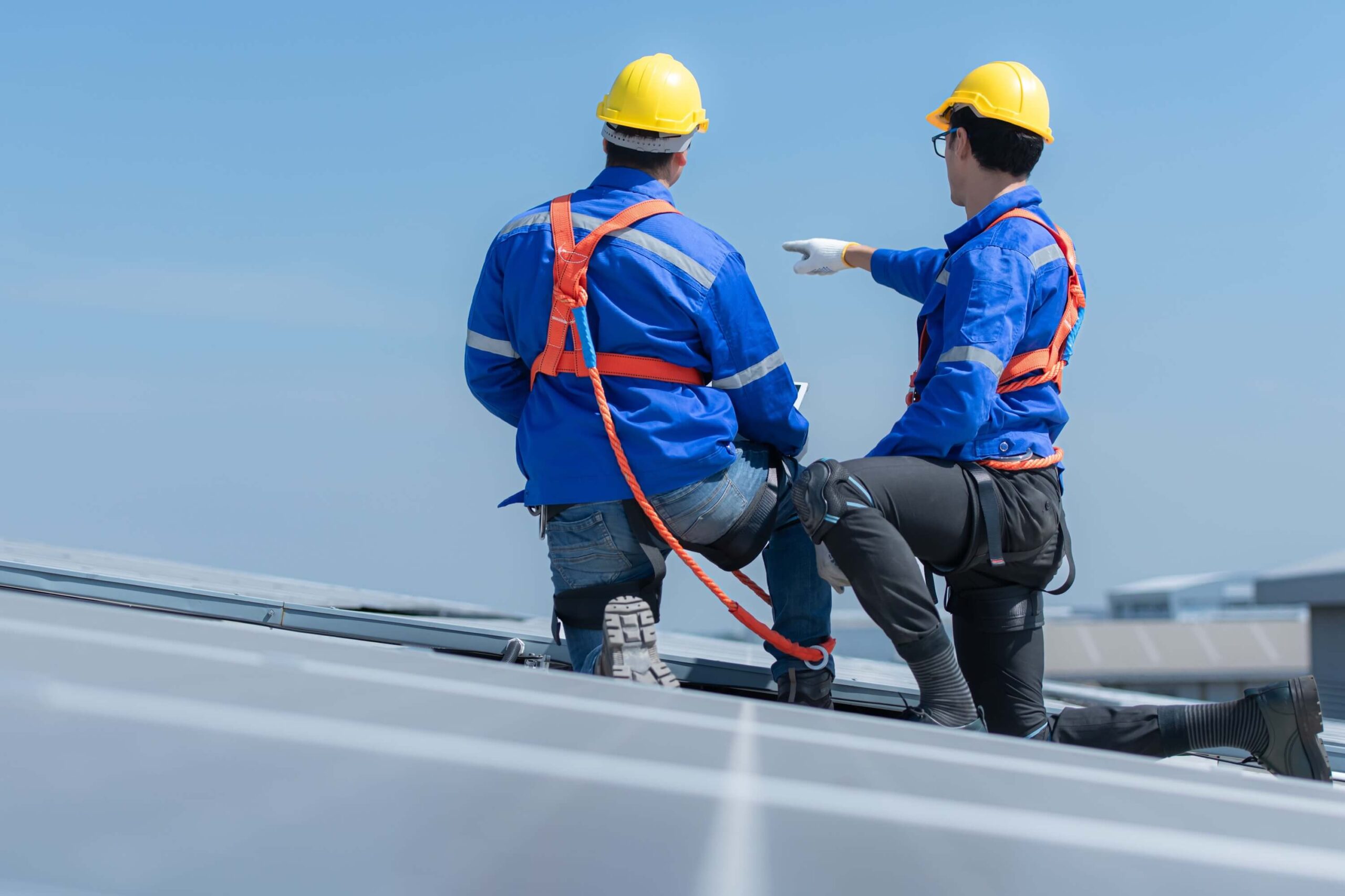
6. Roof access with full safety compliance
Our plumbing technicians are trained and equipped to work at heights safely, ensuring all inspections meet WA safety codes and WorkSafe guidelines.
The importance of routine roof maintenance
A one-off leak fix is not a long-term solution. Preventative roof maintenance is the most effective way to extend the life of your roofing system and avoid emergency callouts.
Routine roof maintenance helps you:
- Catch issues early before they escalate
- Ensure compliance with commercial building regulations
- Protect internal finishes from water damage
- Avoid business disruption caused by sudden roof failures
- Reduce long-term repair costs through planned intervention
We recommend scheduling bi-annual roofing inspections, ideally in autumn (to clear gutters before winter) and spring (to assess damage after storm season).
Why commercial roofing requires a specialist approach
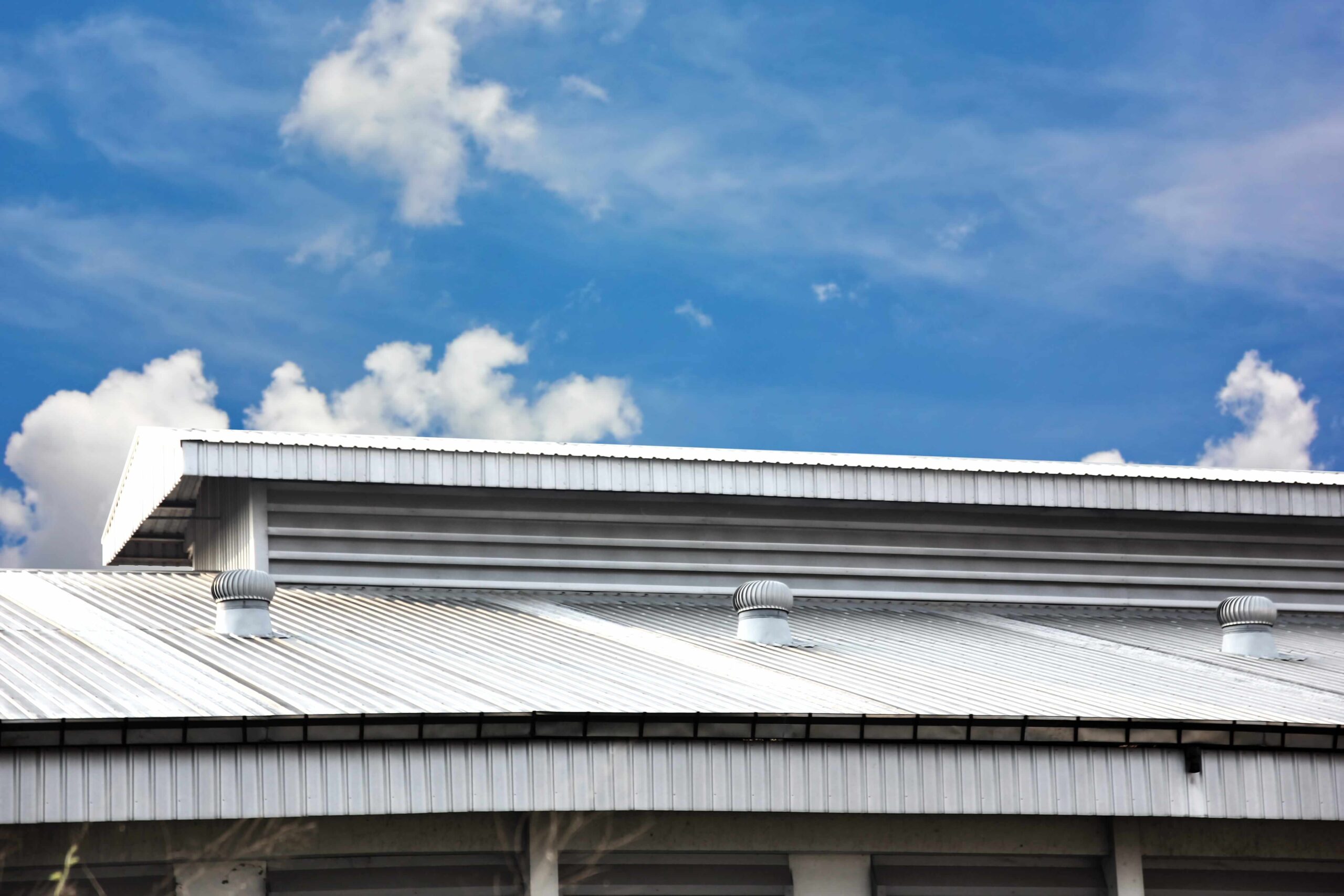
Commercial properties, including multi-storey strata buildings, industrial warehouses, or shopping centres, have unique roofing challenges. Unlike residential roofs, commercial roofing systems often include:
- Larger surface areas with flat or low-pitch design
- More complex drainage and waterproofing systems
- More frequent traffic from service contractors (e.g., HVAC or solar installers)
- Greater consequences if internal leakage occurs (business interruption, damage to stock, machinery or other assets, and safety concerns)
That’s why, for commercial property managers and maintenance supervisors, partnering with a roofing specialist like PBR Plumbing, who understands the complexities of commercial roofing systems, is essential to maintaining building performance and preventing costly roofing repairs in the future.
Your strategic partner in commercial roofing maintenance
At PBR Plumbing, we understand that managing a commercial property comes with pressure, including budget control, tenant satisfaction, compliance and asset longevity. Roofing may not always be top-of-mind, until it becomes a problem.
That’s why we focus on proactive service, transparent communication, and end-to-end roofing maintenance, so you can stay one step ahead of roofing issues.
We’ve built long-term relationships with property managers across Perth by delivering:
- Fast response times
- Clear digital reporting
- Scheduled, low-disruption service
- Expert workmanship backed by decades of experience
Don’t wait for water damage, schedule your roof check today
If you’ve noticed early signs of a leaking rooftop or simply want to ensure your building is protected this winter, reach out to our team.
Explore our roofing maintenance services or get in touch to schedule an inspection. You can also download our Roofing Maintenance Checklist to guide your next seasonal review.
PBR Plumbing is here to help you stay proactive, not reactive.
📄 Download Pre-Summer Roofing Maintenance Checklist (PDF)
Frequently asked questions
What is the most common cause of roof leaks in commercial buildings?
Blocked gutters and poor drainage are leading culprits. In Perth, winter rains combined with leaf build-up in autumn can quickly overwhelm poorly maintained systems.
How often should I schedule a roof inspection?
We recommend inspections at least twice a year, before and after winter. Properties in tree-lined areas or with older roofing may require quarterly checks. We recommend a tailored consultation with us to properly determine your property’s unique maintenance needs.
Can you detect leaks without damaging the roof?
Yes. We use non-invasive leak detection methods such as controlled hose testing and flood testing to accurately identify the source of roof leaks. These techniques are based on decades of industry experience and do not involve damaging the existing roof structure.
What types of roofs do you service?
We service all commercial roofing types including metal, tiled, and flat-roof systems across strata buildings, retail and hospitality centres, warehouses, and industrial sites.
Do you offer ongoing maintenance plans?
Absolutely. We provide tailored maintenance plans for commercial and strata clients, covering routine inspections, gutter cleans, and minor repairs. This ensures your roofing system remains compliant and fully operational year-round


FILL IN THE FORM BELOW AND OUR TEAM WILL
GET IN TOUCH.