
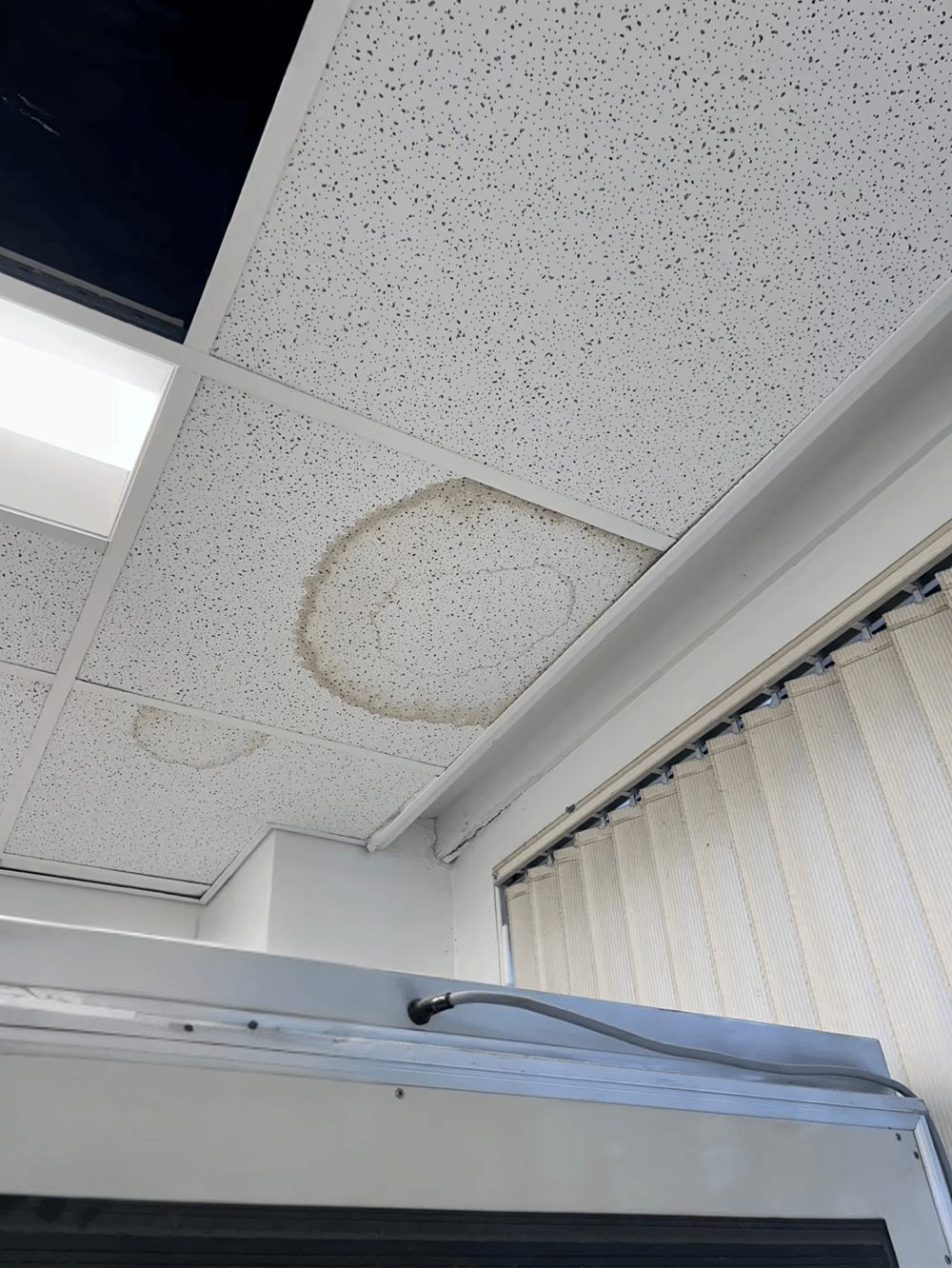
Summary: Preventing roof leaks in commercial properties requires more than reactive repairs. This guide outlines what property managers should look for during commercial roof maintenance inspections, how seasonal servicing helps prevent roof leaks before winter, and why a structured maintenance programme supports long-term roof performance, compliance, and smoother building operations across Perth commercial properties.
The properties in a commercial property manager’s portfolio do not announce problems in advance. A building performing well in April can generate reactive work orders by June if scheduled maintenance has been delayed. Perth’s concentrated winter rainfall window leaves little room between ‘we should have scheduled that’ and ‘we need a contractor today.’
A planned maintenance programme helps reduce that gap. It also gives property managers greater visibility over upcoming maintenance, fewer reactive issues during winter, and less operational pressure across the portfolio. Preventing roof leaks in a commercial context means running a structured maintenance programme — one that keeps issues from escalating into disruptive repairs during peak winter conditions.
Why commercial roofs perform better with a planned maintenance programme
Commercial buildings have a straightforward operational advantage over residential and strata properties: access is generally easier to coordinate, work orders can be scheduled directly with building management, and maintenance can proceed without coordinating individual occupants. That allows scheduled maintenance to run efficiently and consistently throughout the year.
A structured programme gives property managers a documented maintenance history, supports compliance and owner reporting requirements, and keeps the building on a consistent maintenance cycle. Under the Building Act 2011 (WA), building owners are responsible for ensuring repair and maintenance work complies with applicable building standards. A documented maintenance programme helps demonstrate that those obligations are being actively managed.
Planned maintenance does not reduce roofing issues by chance. An experienced commercial roofing maintenance team works through the building’s roof system on a schedule, identifies areas requiring attention, and addresses them before the next seasonal weather window arrives. That approach helps commercial properties reduce reactive roofing issues before they escalate into disruptive maintenance callouts.
What a commercial roof maintenance visit covers
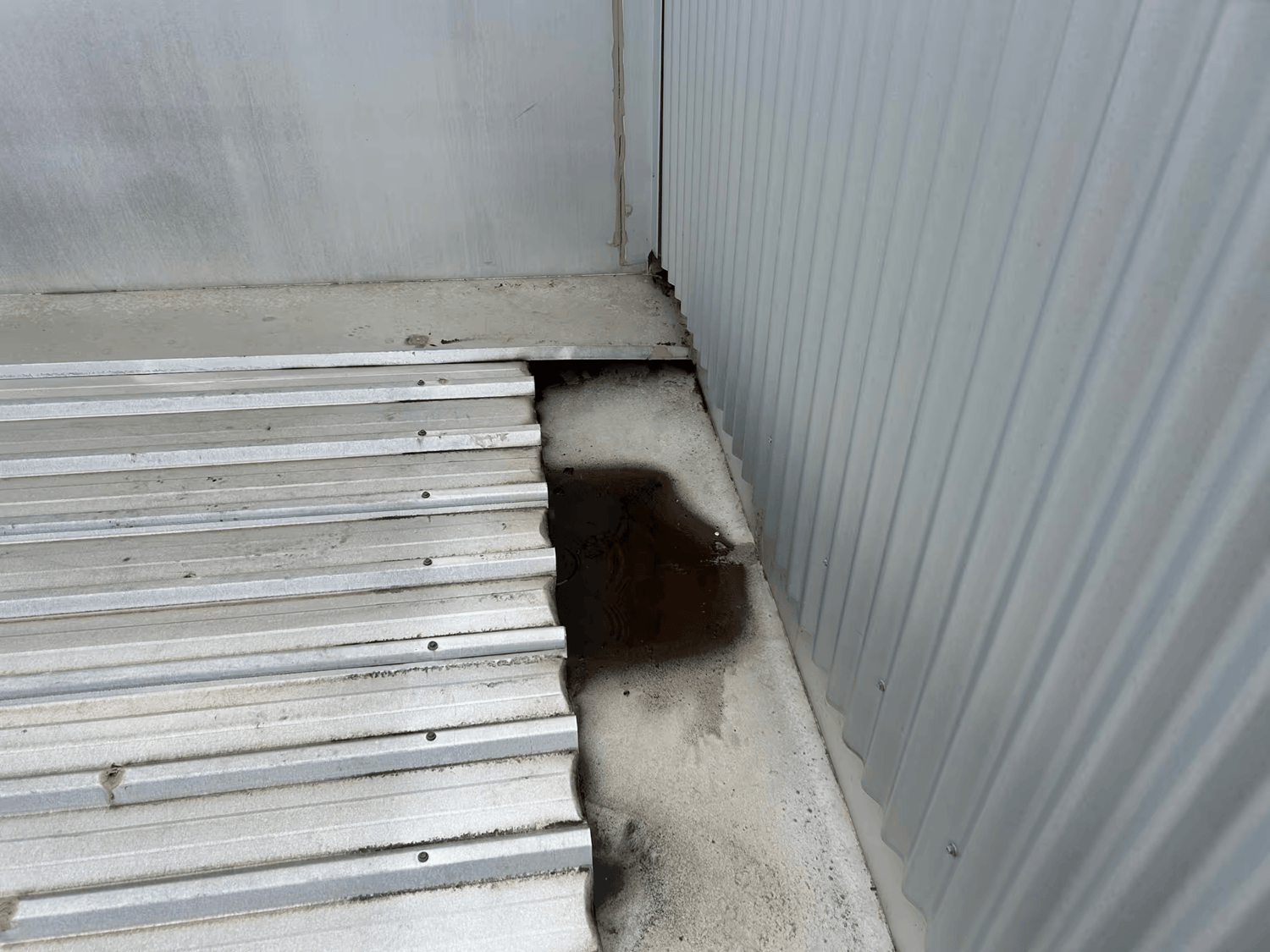
A commercial maintenance visit works through the entire roof system methodically, covering every component that contributes to long-term performance — not just the obvious problem areas.
Gutters and downpipes: Debris clearance, flow testing, and confirmation that outlets are discharging to stormwater correctly. Perth’s autumn leaf fall makes this the most time-sensitive check before WA’s winter rainfall window opens.
Flashing and penetration points: HVAC curbs, vent stacks, and exhaust outlets are inspected for silicone seal condition and flashing integrity. Seal degradation isn’t visible from ground level, which is why scheduled maintenance is important for keeping these areas performing correctly. For buildings where water ingress has already been noticed around penetrations, our commercial roof leak detection guide covers what to do next.
Metal sheeting condition: Fastener checks at laps and ridges, corrosion assessment, and identification of any compromised metal sheeting before the wet season. In WA’s coastal building stock, sheeting condition tracks closely with building age and salt exposure — scheduled inspections help track deterioration before it develops into larger roofing issues.
Drainage falls and ponding areas: Drainage performance is assessed against the roof’s design falls, while scupper and sump conditions are checked for proper flow and discharge. The National Construction Code sets adequate roof drainage as a required performance outcome, and a maintenance visit confirms the system continues to meet it.
Roof access points: Hatches and fixed ladders used by trades are checked for condition and integrity. WorkSafe WA’s guidance on working in roof spaces requires roof access work to be carried out by appropriately trained personnel — a maintained access point is a compliance matter as much as a maintenance one.
Each inspection point helps confirm the roofing system is performing correctly and identifies minor issues before seasonal conditions place additional pressure on the building.
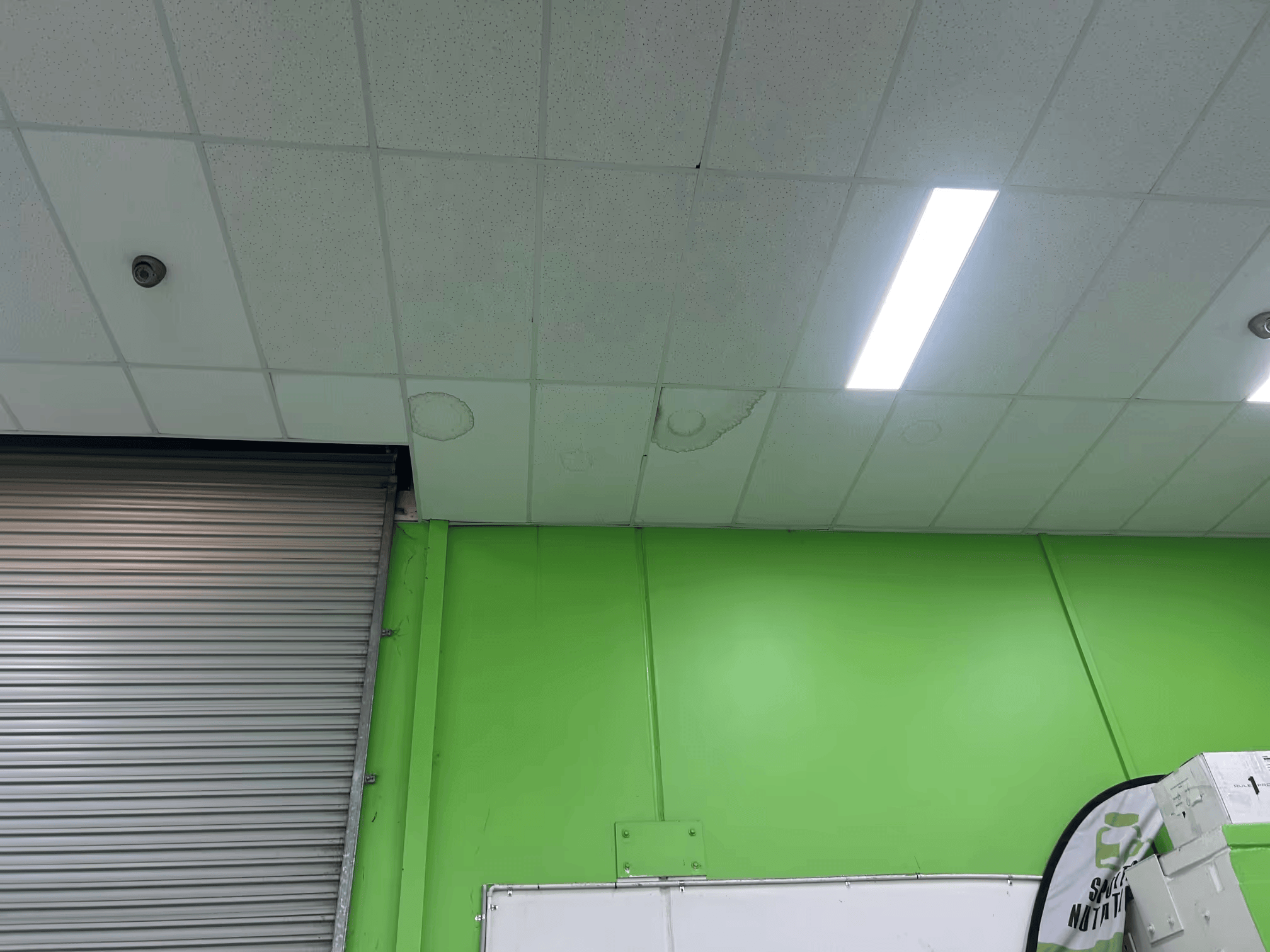
A seasonal maintenance calendar for Perth commercial properties
WA’s climate gives commercial property managers two clear scheduling anchors each year. The Bureau of Meteorology climate data for Perth makes the timing straightforward — the programme aligns to Perth’s actual weather pattern, not a generic national template.
Autumn visit (March–April)
The pre-winter preparation window. Gutters are cleared, drainage systems are checked for free flow, flashing and penetrations are assessed before the May–August rainfall period. Any compromised metal sheeting identified during this visit can typically be addressed before peak winter rainfall arrives. The building enters the wet season with roofing components inspected, documented, and prepared for increased rainfall.
Spring visit (September–October)
The post-winter review. After the storm season, the contractor works through the same maintenance checklist to assess any movement in the roof system and schedule minor repairs before summer heat sets in. Longer-lead items identified in the autumn visit — sheeting repairs, drainage modifications — are best completed in this window.
Two visits a year, aligned to WA’s seasons, give complete coverage without over-engineering the process. For properties in heavily treed locations or with older roofing stock, a quarterly programme may be more appropriate — worth discussing at the first site visit.
What good maintenance records look like
A maintenance visit that is not documented properly limits its value for property managers and building owners. For commercial property managers, reporting supports three practical outcomes: maintenance visibility, compliance support under WA building obligations, and documentation that demonstrates the property is being maintained to a professional standard.
A post-visit report should include:
- Areas inspected and their condition
- Photos of completed works
- Repairs carried out during the visit
- Recommendations for future maintenance or repairs
- Timing for the next scheduled inspection
The scheduling and reporting process should remain clear and easy to manage for property managers. Advance notice before attendance, digital work order sign-off, and photo reporting should all form part of the standard service process.
There is also long-term value in keeping the same maintenance partner across multiple years. Over time, a contractor develops a clearer understanding of the building’s roofing system, including historical drainage concerns, ageing penetrations, and areas requiring closer monitoring. That continuity supports better-informed maintenance planning and more efficient inspections over time.
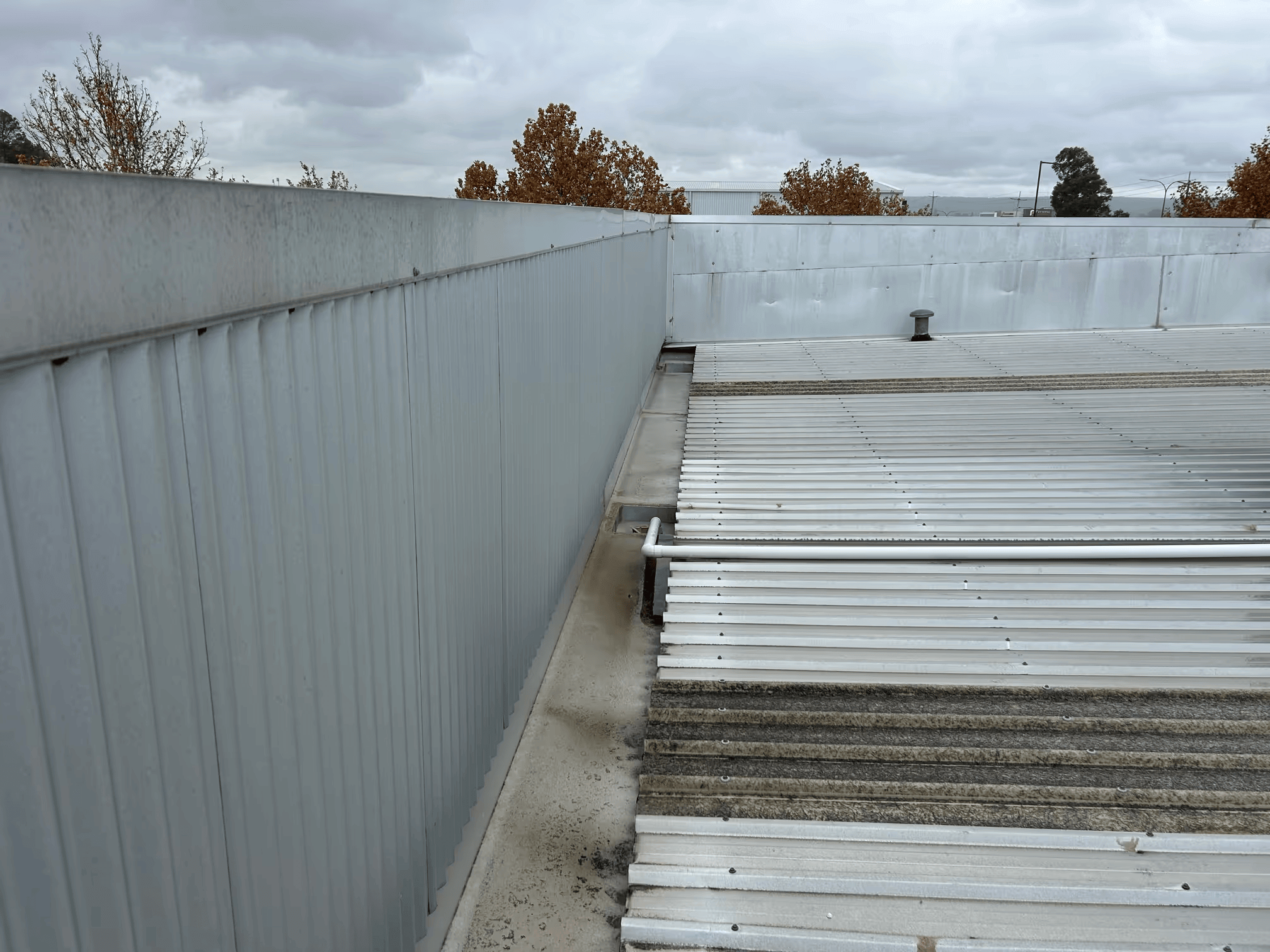
Your maintenance partner for Perth commercial properties
PBR Plumbing has worked with property and facility managers across Perth since 2006. We listen first, communicate clearly, and take ownership of every job — arriving prepared, completing the work professionally, and providing clear reporting without requiring follow-up from clients.
A structured roofing maintenance programme should reduce pressure on property managers, support smoother building operations, and provide greater clarity around ongoing maintenance across the portfolio.
Get in touch to arrange a structured roofing maintenance programme that supports smoother operations across your commercial properties.
Frequently asked questions
What’s included in a bi-annual commercial roof maintenance programme?
A bi-annual maintenance programme includes two scheduled inspections each year, aligned with WA’s seasonal conditions.
The autumn visit (March–April) focuses on preparing the building before peak winter rainfall by:
- Clearing gutters and downpipes
- Checking drainage performance
- Inspecting flashing and roof penetrations
- Identifying any compromised metal sheeting
The spring visit (September–October) reviews the roof system after winter conditions and helps identify any maintenance or repair work that should be scheduled before summer.
Each visit should include documented reporting, photos, and recommendations for future maintenance.
What’s the best time of year to schedule a commercial roof maintenance check in WA?
March–April is typically the most important maintenance window for Perth commercial properties.
Climate data shows that Perth’s highest rainfall period generally falls between May and August. Scheduling inspections before winter allows enough time to address drainage issues, flashing deterioration, or damaged roofing materials before sustained rainfall arrives.
A second inspection in spring helps assess how the roof system performed over winter and identifies any follow-up maintenance requirements.
What does a commercial roof maintenance visit from PBR Plumbing include?
A structured commercial roof maintenance visit typically includes inspection and assessment of:
- Gutters and downpipes
- Flashing and roof penetrations
- Metal sheeting condition
- Drainage falls and ponding areas
- Roof access points and safety considerations
Where required, minor maintenance works may also be completed during the visit.
Property managers receive condition reporting, photo documentation, and recommendations to help plan future maintenance works across the building.
Does consistent maintenance extend the service life of commercial metal sheeting?
Consistent maintenance helps commercial metal roofing systems perform better over time by identifying minor issues before they become more significant repairs.
Routine inspections can help detect:
- Early corrosion
- Loose fasteners
- Deteriorating laps and penetrations
- Drainage issues that may accelerate roof deterioration
Preventing roof leaks through planned maintenance also helps minimise moisture-related corrosion around vulnerable roofing areas.
Can I complete any roof checks myself as a property manager?
Ground-level observations can still be useful between scheduled maintenance visits. Property managers can look for:
- Overflowing gutters during rainfall
- Visible debris build-up
- Water staining after storms
- Changes in roof appearance from ground level
However, any inspection requiring roof access — including flashing checks, penetration inspections, or metal sheeting assessments — should be carried out by a licensed contractor with appropriate WHS compliance for roof access work in WA.


FILL IN THE FORM BELOW AND OUR TEAM WILL
GET IN TOUCH.