
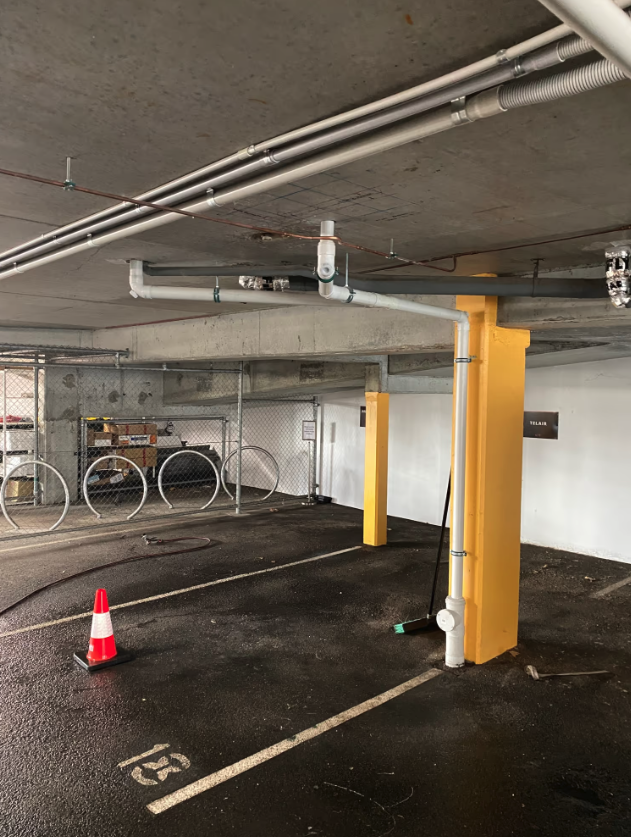
Drainage problems rarely give much notice. A commercial site that had no obvious drainage issues through winter can start producing reactive work orders in spring, once the season’s build-up has settled into pits, gullies and underground lines. Perth’s seasonal conditions give property managers a practical window to get ahead of these issues before the warmer months.
Knowing how to prepare commercial drains for spring comes down to good timing and a considered maintenance plan. A post-winter inspection can identify accumulated debris, emerging blockages and root intrusion, giving property managers clearer visibility over what needs attention now and what can continue to be monitored.
Why spring is the right window in Perth
Perth receives most of its rainfall during the cooler months, when water can carry silt, sand, leaves and other debris from roofs, car parks and landscaped areas into stormwater infrastructure. By spring, that material may have accumulated in pits, soakwells and drainage lines, restricting how effectively water can move through the system.
Warmer, drier conditions can create another concern. Tree roots naturally seek out available moisture and can enter drainage systems through cracks, joints and other vulnerable points. For commercial properties with established trees or a history of root intrusion, this is also a useful time to check for early signs of obstruction before they develop into more significant blockages.
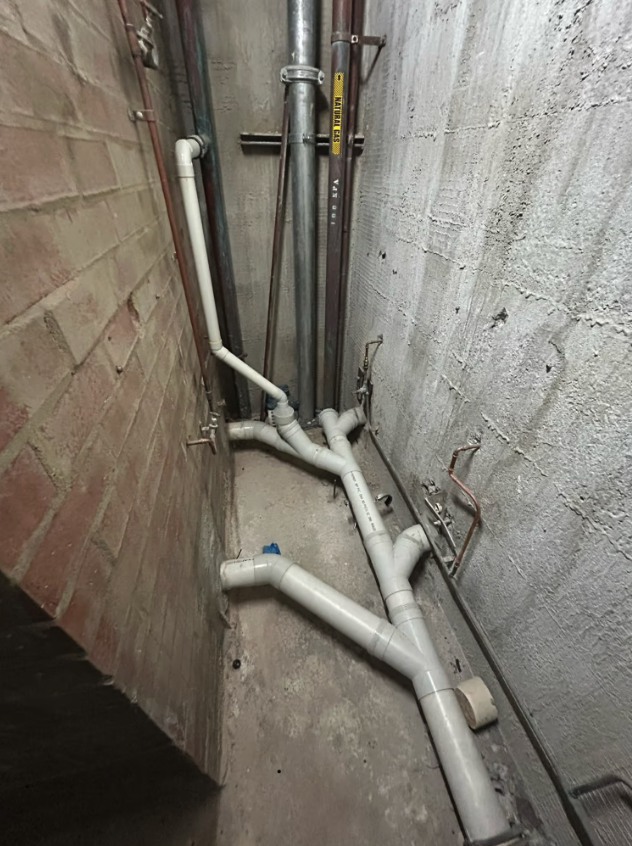
What a post-winter drain check can cover
A key part of how to prepare commercial drains for spring is assessing the areas most likely to have been affected during the wetter months, rather than waiting for slow drainage or pooling water to indicate a problem. Depending on the property, this can include:
- Stormwater pits and grates: Checked for accumulated leaves, sediment and other material that may reduce drainage capacity.
- Downpipes and roof drainage: Inspected for signs that water is not moving effectively from the roof into the stormwater system.
- Gullies and floor wastes: Checked for debris or signs of restricted drainage in service and high-use areas.
- Soakwells and stormwater lines: Assessed for sediment, obstructions or other issues affecting drainage performance.
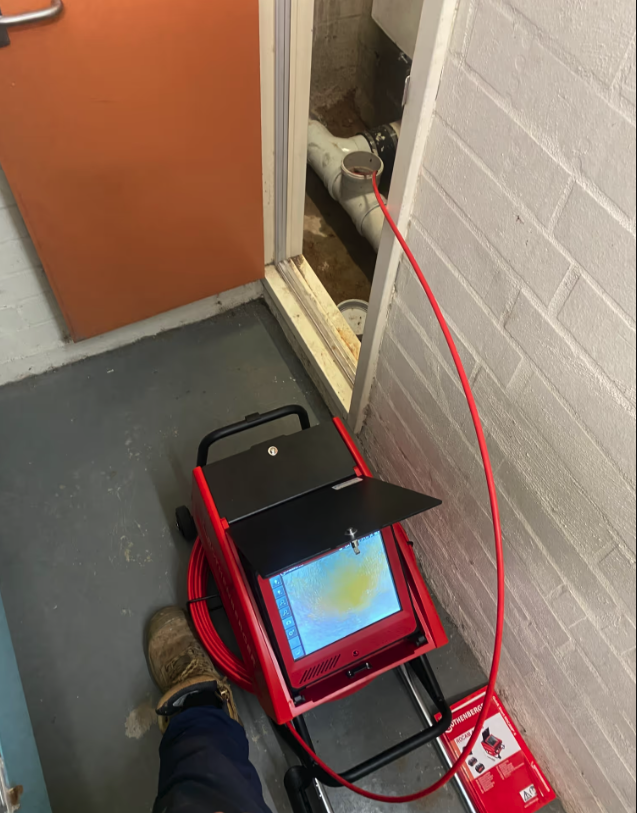
- CCTV drain inspection: Where further investigation is needed, a camera inspection can help locate and identify problems within underground pipework without excavation.
CCTV footage can also provide a useful record of pipe condition and the location of any issues found.
How commercial drains are cleared
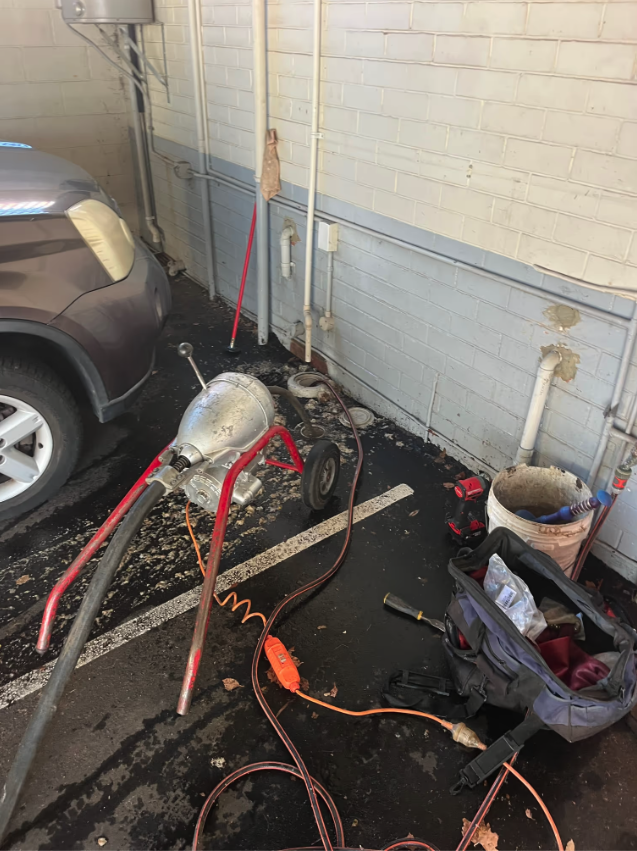
Where sediment, debris or other obstructions have accumulated within a drainage line, commercial drain cleaning in Perth may involve high-pressure water jetting to break up and flush out the material.
Tree roots or more substantial obstructions may require targeted clearing. The appropriate method will depend on the extent of the problem and the condition of the pipework.
Drainage priorities by property type
The areas requiring closer attention can vary by property type.
For office and retail properties, external drainage around entrances, pedestrian areas and car parks can be a priority, particularly where pooling water could affect access or day-to-day operations.
On industrial and warehouse sites, larger roof areas, hardstand surfaces and loading zones can place greater demands on stormwater infrastructure. Blocked drains can create problems across these areas, particularly during periods of heavy rainfall.
On strata properties, shared drainage infrastructure can affect multiple tenancies or common areas. Coordinated maintenance and good documentation help strata managers keep track of completed work and any follow-up requirements.
How drain maintenance fits around commercial properties
Commercial drain maintenance needs to work around the property, not the other way around. Access, trading hours, tenant activity and site requirements can all be factored into the timing of the work, helping minimise unnecessary disruption.
Arranging attendance through building management also gives the people responsible for the property a single point of contact throughout the job. With the scope, access requirements and timing agreed in advance, there is less for the property manager to coordinate once work is underway.
Building a longer-term drainage plan
A spring check can also help establish the property’s requirements beyond the immediate visit. Factors such as surrounding vegetation, site use, infrastructure condition and maintenance history all influence how often drainage should be serviced, so the schedule should reflect the building rather than follow a one-size-fits-all cycle.
An ongoing programme may include:
- Routine drainage cleaning and commercial stormwater maintenance
- CCTV inspections where a closer look at underground pipework is warranted
- Photo documentation and service reporting
- Ongoing observation of known problem areas
- Recommendations for repairs or further work as required
Continuity matters. When the same team develops an understanding of the property over time, changes in condition are easier to recognise and address in context rather than as isolated call-outs.
This approach also keeps communication consistent from one visit to the next, with PBR Plumbing taking ownership of the work through to completion. After each attendance, the property manager has a documented record of the work carried out, the condition of the system and any recommended next steps.
When to bring in a licensed plumber
On-site maintenance teams can help between professional visits by keeping accessible grates free of surface debris and reporting changes such as slow drainage, pooling water or recurring odours.
Where a problem extends into the drainage infrastructure, professional assessment is the appropriate next step. Commercial properties can have extensive, interconnected drainage systems. Understanding the source and extent of a problem helps determine what work is required.
Working with a plumber experienced in commercial and strata properties also helps ensure the scope of work accounts for the building’s operations, access requirements and broader maintenance needs.
Prepare your commercial drains before problems build up
A seasonal drainage review can help identify potential issues and provide a useful starting point for preventative drain maintenance across the property.
Explore our drain maintenance services or get in touch with PBR Plumbing to discuss the requirements across your commercial property.
Stay proactive, not reactive, with drainage maintenance planned around your building.
Frequently asked questions
What are the early signs my commercial drains need attention?
Slow drainage, gurgling sounds and water pooling around pits or car parks after rain can all indicate that water is not moving through the system as it should. Recurring odours around floor wastes or drainage points are another sign worth investigating, particularly if the problem persists or appears in multiple areas.
Should maintenance staff use drain chemicals on slow drains?
Where a commercial drain is repeatedly slow or shows other signs of a blockage, it is better to establish the cause before attempting to treat it. Different problems require different clearing methods, particularly where sediment, tree roots or an issue within the pipework may be involved.
How much disruption does a drain clear-out cause on the day?
The level of disruption depends on the location and extent of the work required. PBR Plumbing takes care to work professionally on site and leave the area clean once the job is complete.
How often should commercial drains be serviced?
There is no single servicing frequency that suits every commercial property. Sites with established trees, recurring blockages or known problem areas may need more frequent attention than properties without those conditions. The appropriate schedule can be established over time based on how the drainage system performs between visits.

FILL IN THE FORM BELOW AND OUR TEAM WILL
GET IN TOUCH.