
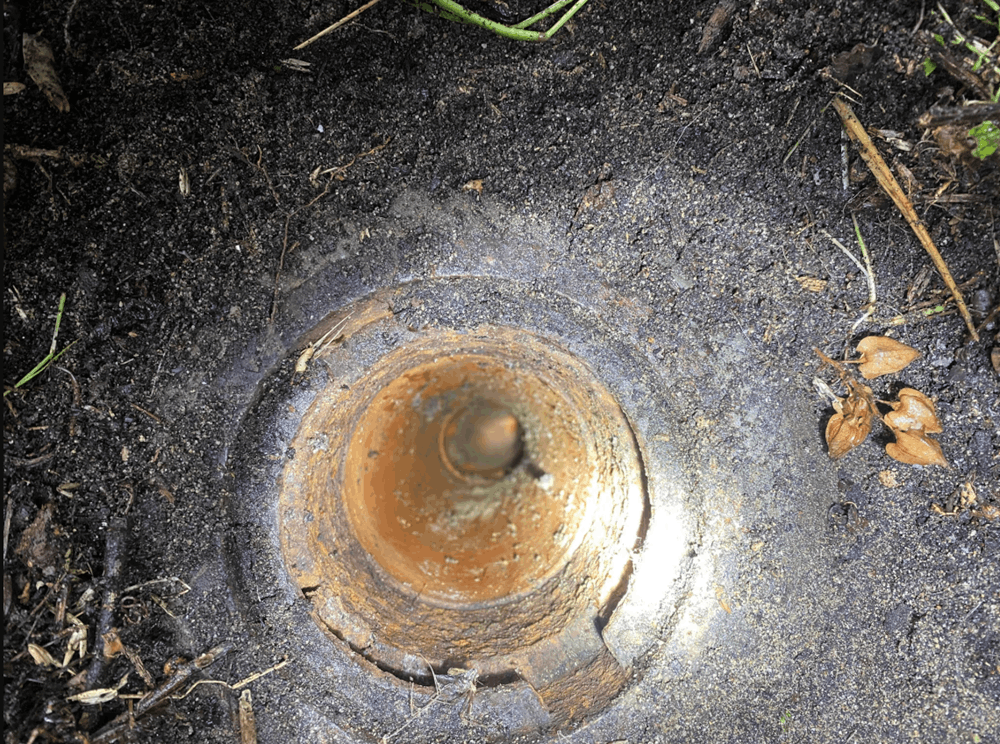
Summary: Tree roots blocking drains in Perth can become a recurring problem for commercial properties, particularly where ageing or damaged pipework provides an entry point. As root activity increases through spring, slow drainage, gurgling or blockages that keep returning can signal a deeper issue within sewer or stormwater lines. Pinpointing the cause early with a CCTV drain inspection can help determine whether the pipe needs clearing, repair or ongoing maintenance, reducing repeat call-outs and disruption across the property.
A drain that slows down, clears and then blocks again a few weeks later can indicate that the problem goes beyond a standard blockage. Blocked drains caused by tree roots are a common seasonal issue across Perth, particularly where roots have entered ageing or damaged underground pipework on commercial properties.
Depending on the location of the affected line, a blockage can affect several tenancies or shared areas at once across a commercial property. Planned early, maintenance is easier and eases the pressure of repeat reactive call-outs.
Why tree roots cause more blocked drains in spring
WA’s mild winters keep tree roots active for much of the year, with the strongest growth through spring and autumn. As conditions turn warmer and drier, roots reach further for water.
Underground sewer and stormwater pipes can draw roots in where water escapes through a crack, damaged section or ageing joint. Once they find an opening, roots enter the pipe and keep growing inside it, restricting flow and leading to a blockage.
That is why tree roots blocking drains in Perth tend to become more noticeable as spring gets underway.
For commercial properties with established landscaping or ageing underground pipework, recurring drainage problems are worth investigating early.
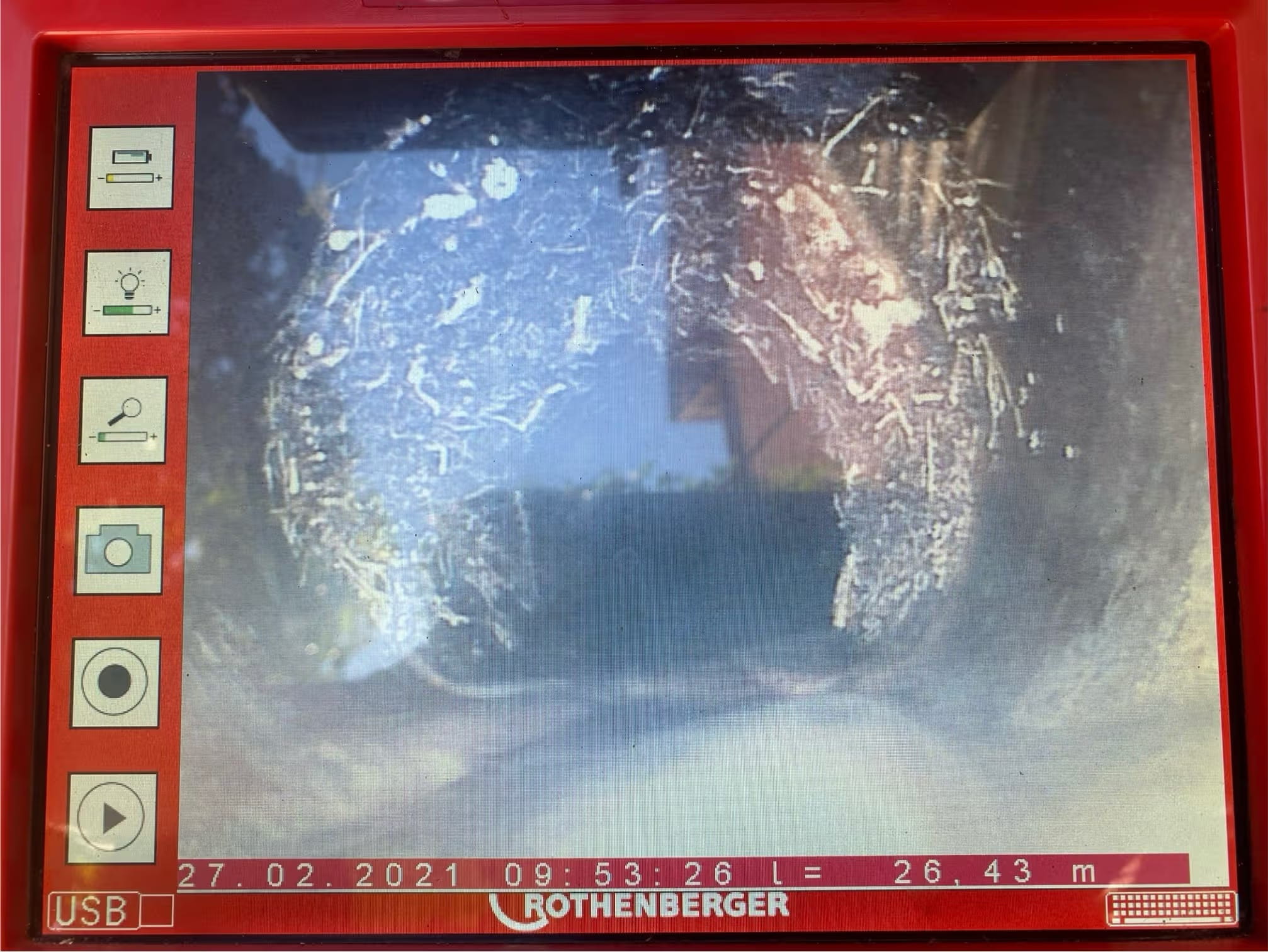
Why local conditions make root intrusion more common in Perth
Seasonal growth is only part of the picture. Soil conditions, established landscaping and the age of the pipework all influence how likely a Perth commercial property is to see tree roots blocking its drains.
Sandy soils
Much of Perth has dry, sandy soils, where roots range wider to find water. The more ground they cover, the more likely they are to meet underground drainage.
Clay soils found in some eastern suburbs behave differently, but once roots locate a consistent source of moisture around a pipe, intrusion can still become an issue.
Established commercial landscaping
Mature trees around car parks, landscaped areas and building surrounds can have far-reaching roots. Species including jacaranda, eucalyptus, fig, paperbark and willow are worth noting when they sit close to underground drainage.
It helps to understand where those trees sit in relation to the drainage system, so these areas can be given closer attention as part of planned maintenance.
Older underground pipework
Clay and concrete pipes are more susceptible to root intrusion, especially where ageing joints or cracks create an entry point. This is most common in older buildings where the original pipework is still in service.
PVC pipework is more resistant, but it is not immune. Damaged or loosened joints can still provide an opening for roots over time.
The age, material and condition of the pipework provide useful context when blockages occur, and help determine where further investigation is needed.
Warning signs of tree roots in commercial drains
Tree root intrusion usually shows itself before a drain blocks completely. Spotting it early can help stop a recurring drainage issue from turning into a larger disruption.
Watch for:
- Slow drainage across bathrooms, kitchens or shared fixtures
- Blockages that are cleared but return within a few weeks
- Gurgling sounds from drains or toilets when water is running
- Foul odours around floor drains or sewer lines
- Multiple fixtures or tenancies affected at the same time
When several drains act up at once, the cause often sits deeper in the line rather than at one outlet.
Why clearing tree roots may not solve the problem
Clearing tree roots from a drain restores flow, but it does not deal with how the roots got into the pipe.
If a crack, damaged joint or other entry point remains, roots can grow back into the line and cause another blockage. This is often why the same drainage problem returns weeks or months after it has been cleared.
The aim is to address why it is happening, so the fix holds instead of clearing the same drain repeatedly. Once the pipe’s condition is known, the next step can be based on what it actually needs.
What to do when tree roots are blocking a drain
The right approach depends on how far the roots have spread and the condition of the pipework. This is why understanding what is happening inside the line should come before deciding on a repair.
Start with a CCTV drain inspection
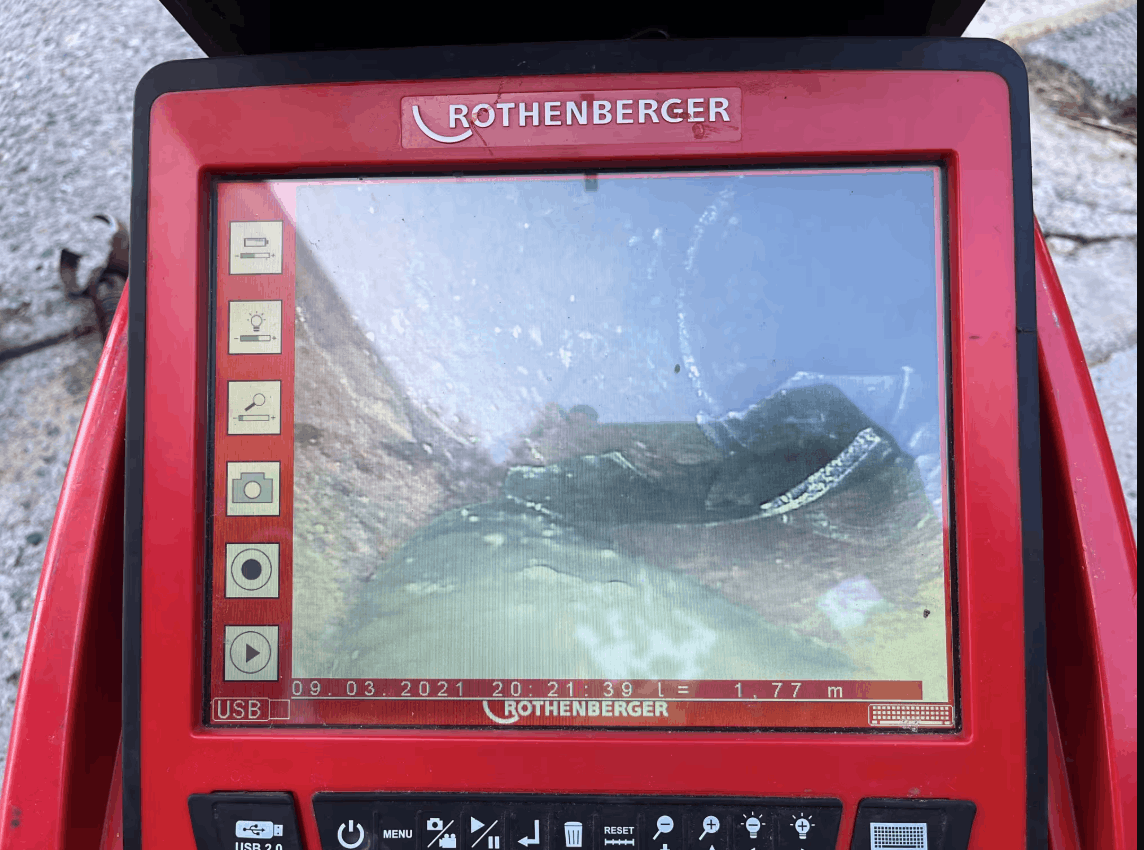
A CCTV drain camera inspection can locate the root intrusion and assess the surrounding pipework, including:
- Where roots are entering the line
- The extent of the blockage
- Cracks, damaged joints or other visible defects
This gives a clearer basis for deciding what needs to happen next.
Clear the affected line
Where appropriate, high-pressure hydro jetting can remove root material and built-up debris to restore drainage flow.
Address damaged pipework
If the inspection identifies a damaged section or root entry point, pipe relining is often the right repair. This creates a new internal surface within the existing pipe, repairing the damaged section without replacing the whole run.
Plan for recurring issues
Properties that have dealt with root intrusion before benefit from scheduled inspections and drain maintenance, which catch developing problems earlier.
Drainage can also form part of a broader commercial plumbing maintenance programme, particularly for sites with ageing pipework, established landscaping or a history of repeat blockages.
Keeping commercial drains clear across the property
On commercial properties, sewer and stormwater lines may service multiple tenancies, shared amenities and operational areas. Well-maintained drainage supports the whole property and everyone who relies on it.
A proactive approach, with maintenance planned ahead, gives the management team clearer visibility over the drainage system’s condition. That supports smoother day-to-day operations, and reduces the coordination between management, tenants and contractors that an unexpected blockage would otherwise create.
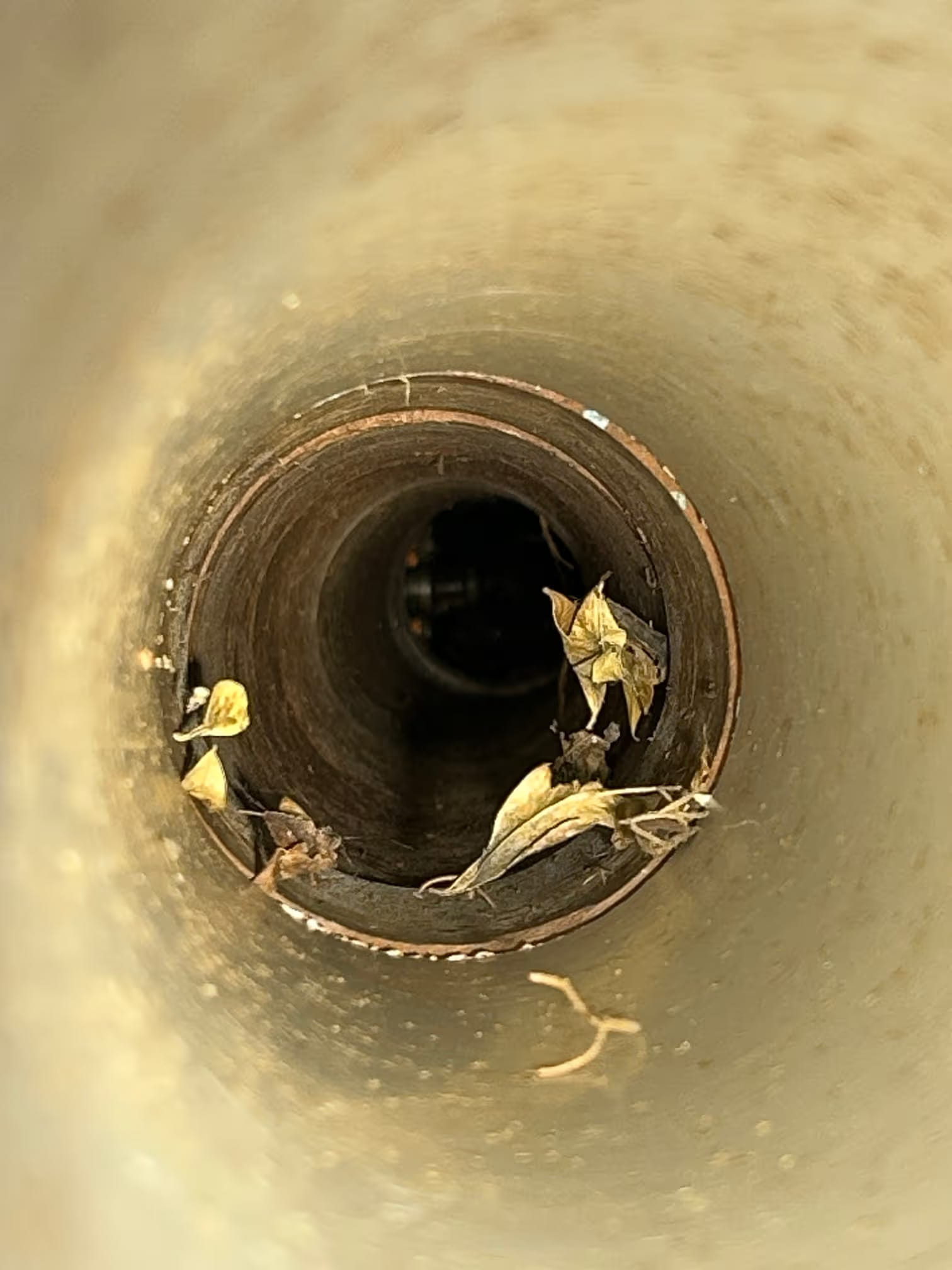
A proactive approach to commercial drain maintenance
Recurring blocked drains are easier to manage when the underlying cause is understood. For commercial properties, tree roots blocking drains in Perth are one of the more common causes, and early identification of the problem provides a clearer picture of the pipework and helps determine whether the drain needs clearing, repair or ongoing maintenance.
At PBR Plumbing, we listen first, assess what is happening on site and recommend a considered solution based on what we find. Clear communication and practical reporting help property and facility teams understand the issue and plan the next step with confidence. The work is delivered to a consistent standard.
For commercial properties with ageing pipework, established landscaping or repeat drainage problems, this kind of planning reduces unexpected disruption and keeps drainage off the reactive list.
If a blockage keeps returning, a CCTV drain inspection can help establish why. Talk to our team about inspecting the affected pipe and the right way forward.
Frequently asked questions
Can tree roots damage a sewer or stormwater pipe?
Tree roots typically enter through an existing opening, such as a crack, damaged joint or defect in the pipework. Once inside, continued root growth can obstruct water flow and place further pressure on the affected section. This is why checking the condition of the pipe is important when root intrusion is identified.
How quickly can tree roots grow back after drain clearing?
There is no single timeframe, as regrowth depends on factors such as the tree species, seasonal conditions, the extent of the root system and the condition of the pipe. If the entry point remains, however, clearing the roots may only provide a temporary solution. Recurring blockages are a good reason to investigate the pipework further.
Should commercial drains be inspected before spring?
For commercial properties with established trees, ageing pipework or a history of tree root blocked drains in Perth, an inspection before periods of stronger root growth can be a useful preventative measure. The appropriate inspection frequency will depend on the property and its maintenance history rather than a fixed schedule for every site.
Does tree root intrusion mean the whole pipe needs replacing?
Not necessarily. The appropriate repair depends on the location and extent of the damage. In some cases, clearing the line may be sufficient; in others, a damaged section may require relining or another form of repair. A CCTV inspection can help establish the condition of the pipe before repair decisions are made.
Who is responsible for a blocked drain in a commercial or strata property?
As a general position in Western Australia, the Water Corporation maintains the sewer main, while the property owner is responsible for the private pipework within the property boundary up to the connection point. Beyond that, responsibility for a specific blockage can depend on where it is located and the property’s ownership or strata arrangements, so establishing the location is an important first step. For strata properties in particular, the relevant strata plan and maintenance responsibilities may need to be checked before determining who is responsible for the repair.

FILL IN THE FORM BELOW AND OUR TEAM WILL
GET IN TOUCH.